Diva
Three legendary recording brands in one Parisian loft
The scene
Before Tarantino, before Guy Ritchie, there was Jean-Jacques Beineix's Diva — a 1981 French neo-noir thriller about a young postman named Jules who secretly records a reclusive opera singer's concert, then gets pulled into a web of bootleg tapes, corrupt police, and Parisian underworld figures.
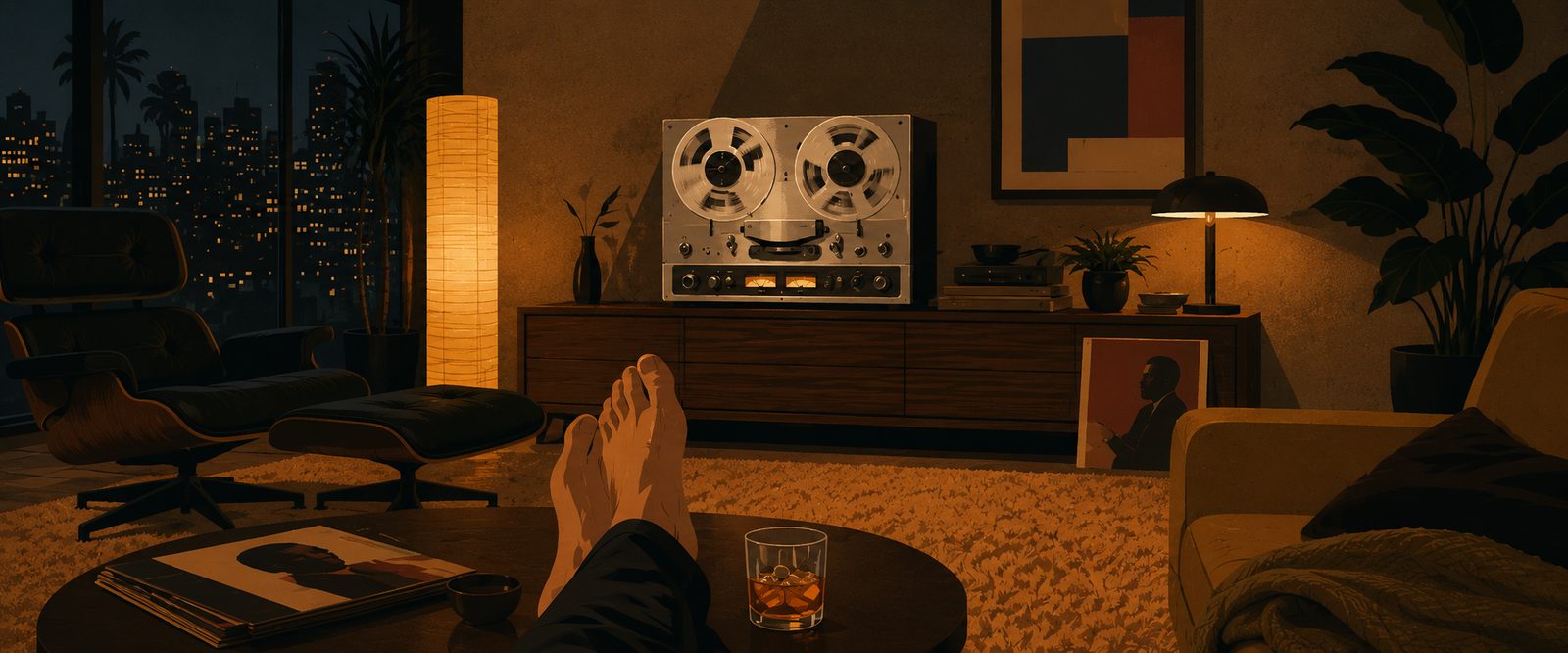
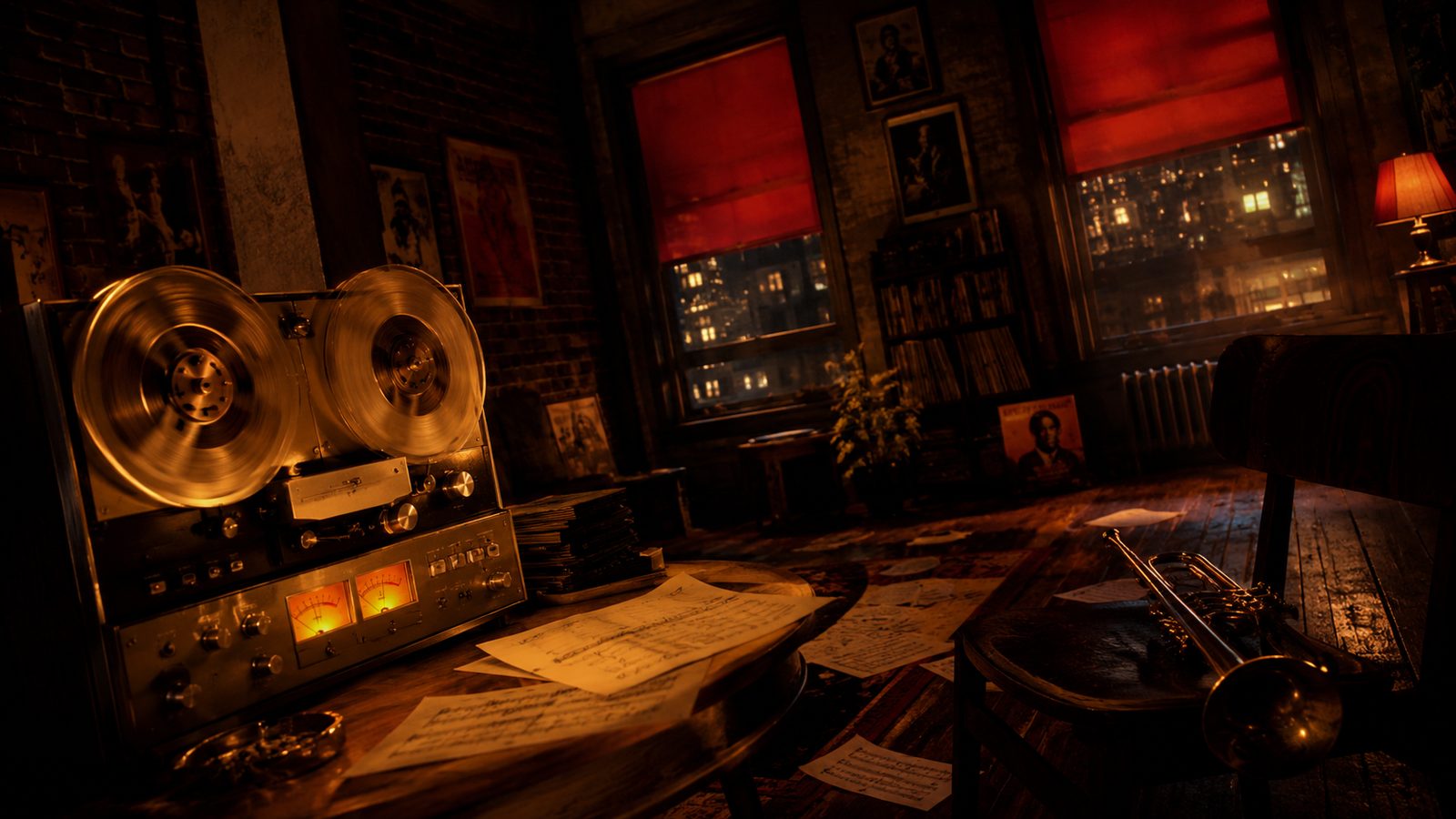
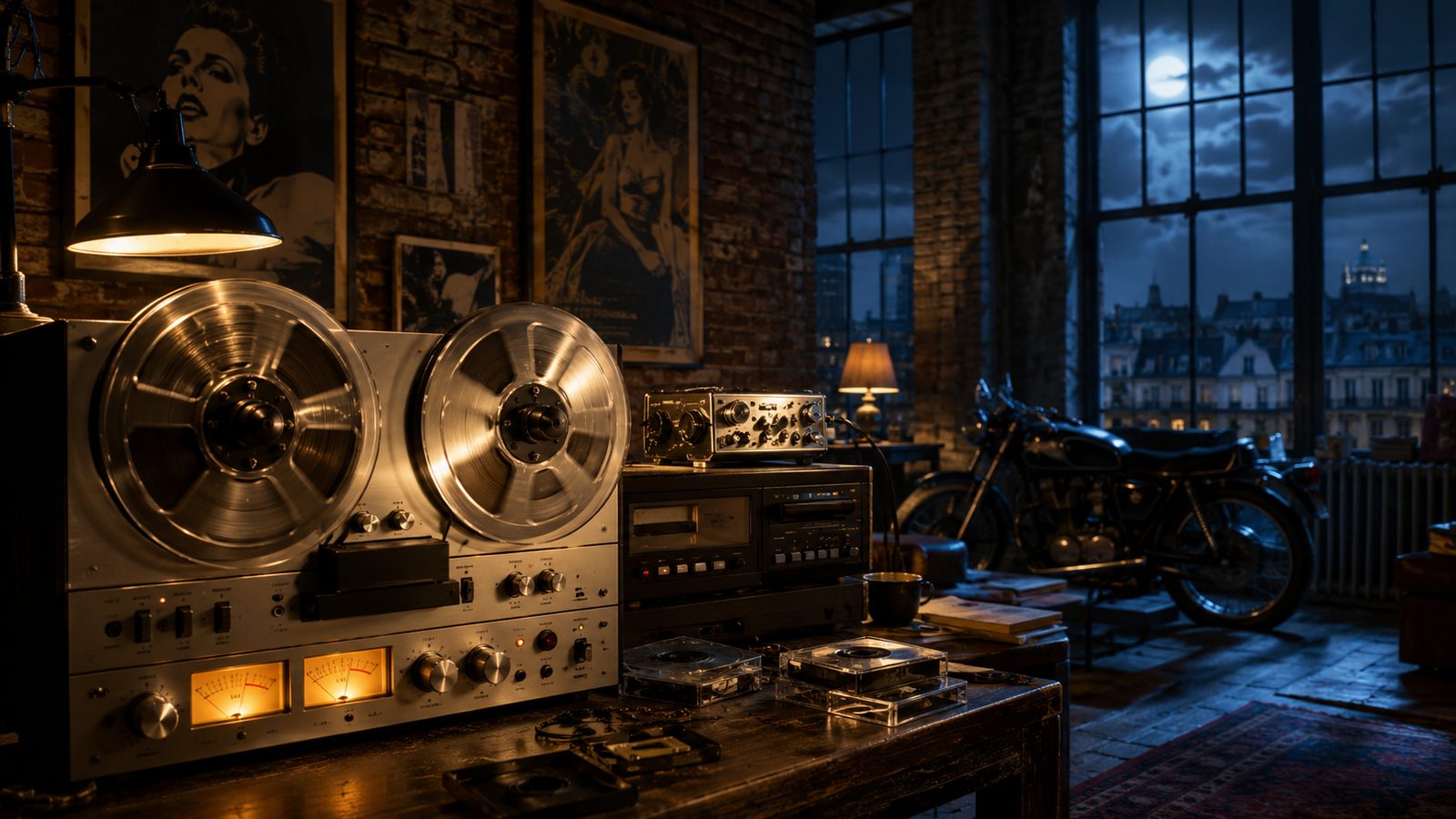
Jules's bohemian loft apartment is the visual and emotional heart of the film. A former warehouse space with exposed brick, a motorcycle parked inside, and opera posters covering the walls, it's the apartment every 20-something cinephile dreamed of in the 1980s. And at its center: a shrine to magnetic tape.
The entire plot revolves around recordings — illicit ones, dangerous ones, beautiful ones — and the equipment used to make and play them is shown with almost fetishistic attention.
The gear
The most prominent piece is a Revox reel-to-reel tape deck, its reels spinning in multiple scenes as Jules plays back his illicit recording of the opera singer. Revox, the Swiss brand, was the gold standard for home reel-to-reel recording — professional-grade reliability in a consumer form factor.
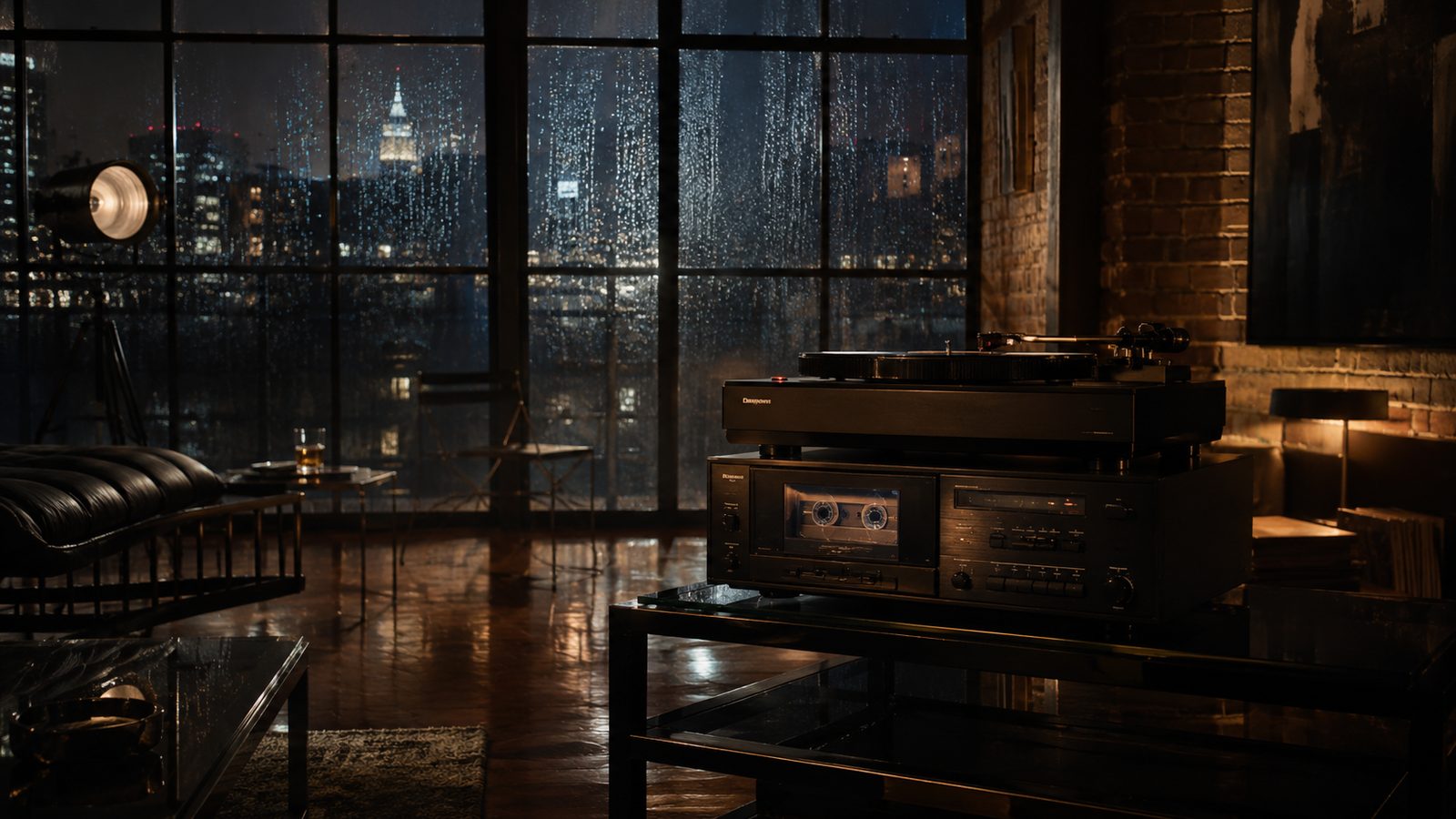
A Nakamichi cassette deck is also visible in the loft, representing the other great Japanese tape format. Nakamichi cassette decks were the best in the world — period — with their dual-capstan transport and meticulous azimuth alignment.
The recording that drives the plot was made with a Nagra portable recorder, the Swiss-made field recorder used by film productions worldwide. Nagra recorders are the Rolls-Royce of portable audio — hand-built, precision-engineered, and staggeringly expensive.
You steal from music what you cannot take from life.
Why it matters
Diva arrived at the dawn of the Cinéma du look movement, where visual style took precedence over traditional narrative. The film's lush aesthetics — including its lovingly photographed audio equipment — influenced a generation of filmmakers and became a cult classic worldwide.
The combination of Revox, Nakamichi, and Nagra in one film is a tape enthusiast's holy trinity. Each brand represents the apex of its respective format: Revox for home reel-to-reel, Nakamichi for cassette, Nagra for professional field recording.
Revox reel-to-reel decks command $500 to $2,000 on the vintage market depending on model and condition. Nagra portable recorders, particularly the legendary Nagra IV-S, can fetch $1,000 to $5,000 or more. These are precision instruments built to Swiss watchmaking standards.
Affiliate disclosure: We may earn a commission from qualifying purchases made through links on this page, at no extra cost to you.