The Russia House
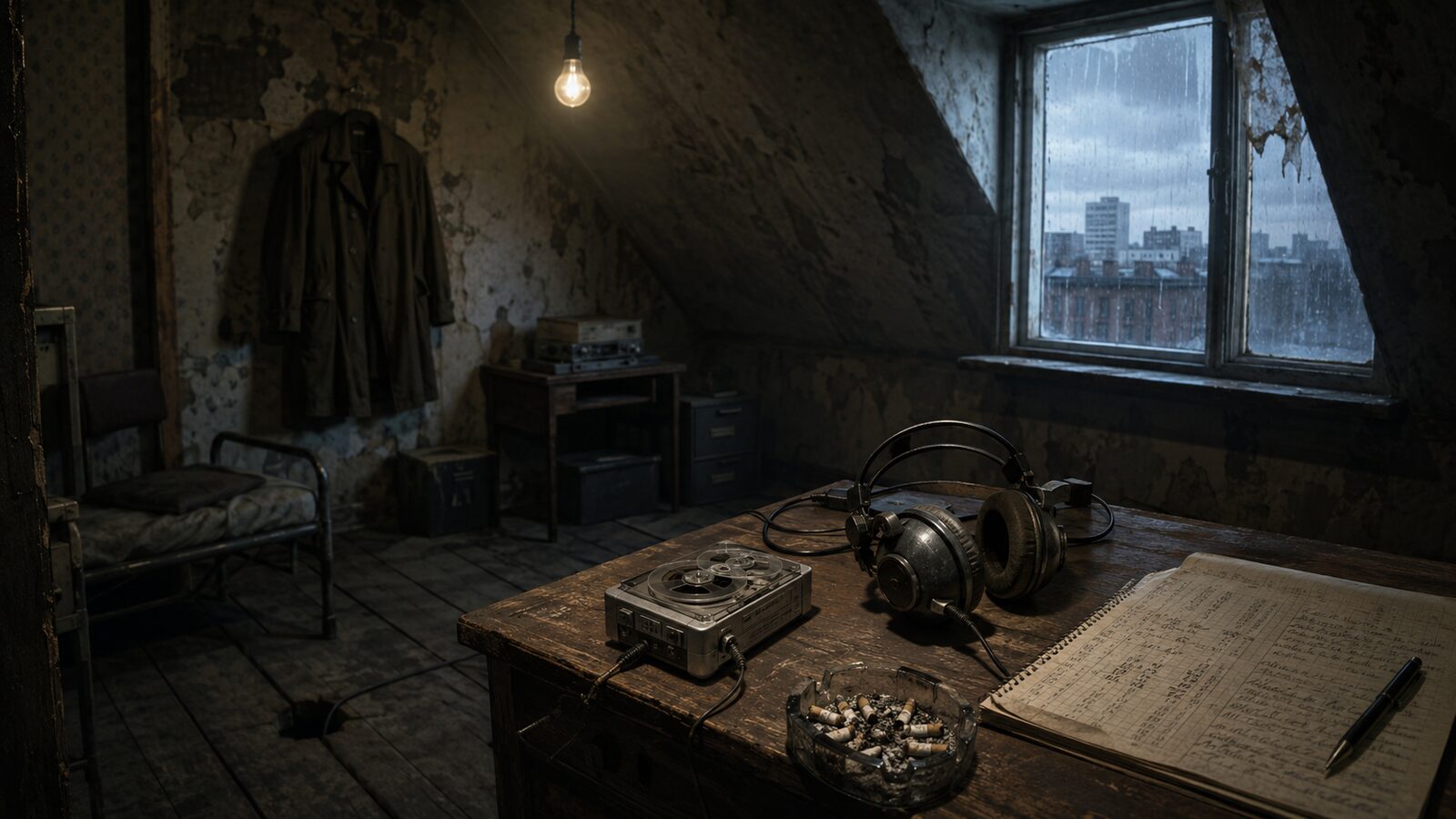
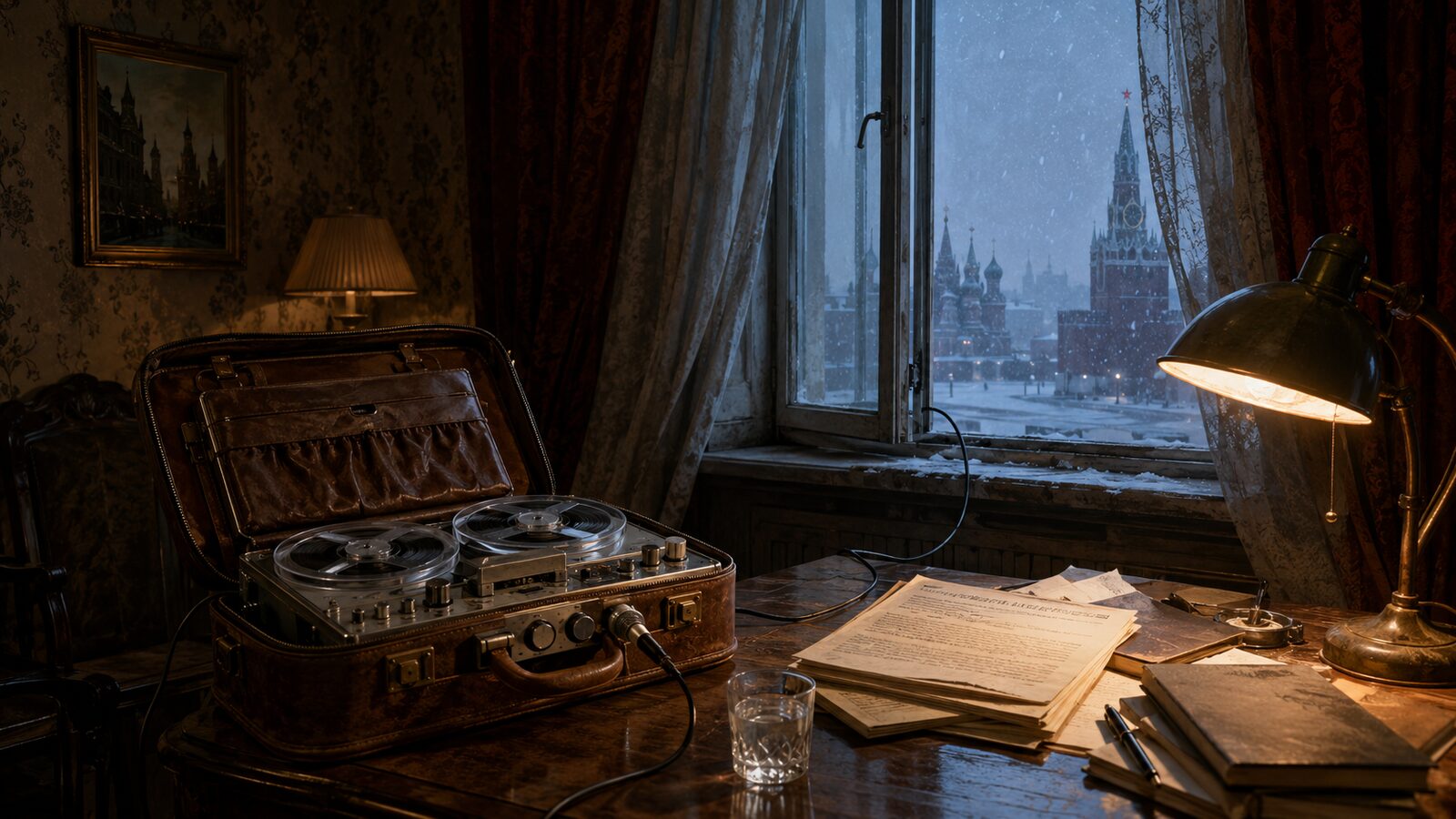
Moscow, 1989. A British publisher is reluctantly recruited by MI6 to make contact with a Soviet scientist who wants to leak nuclear secrets. The tools of espionage are everywhere — dead drops, coded messages, and a Nagra III reel-to-reel recorder that captures the conversations that could end the Cold War or get everyone killed.
Fred Schepisi's adaptation of John le Carré's novel is one of the first major Western productions to film extensively in the Soviet Union, capturing Moscow and Leningrad with a documentary authenticity that no prior spy film had achieved. The real locations lend the espionage equipment — including the Nagra — an unsettling plausibility.
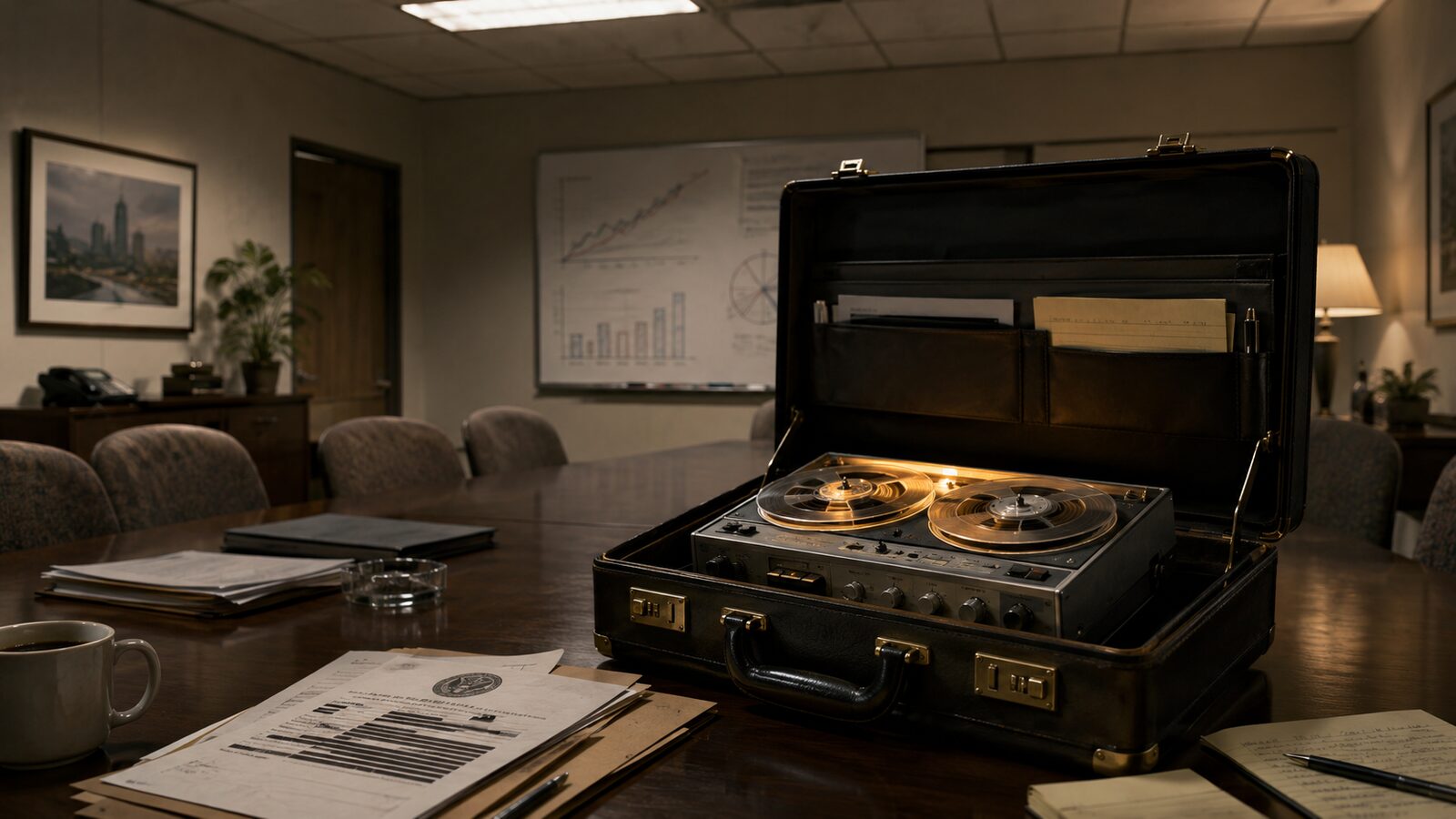
The film's intelligence tradecraft is classic le Carré: methodical, bureaucratic, and deeply human. The Nagra recorder isn't a gadget — it's a tool of statecraft, as unglamorous and essential as the briefcases and raincoats that surround it.
The Nagra III featured in The Russia House is consistent with the actual field recording equipment used by Western intelligence services during the final years of the Cold War. MI6, like the CIA and FBI, relied on Nagra recorders for covert operations because of their Swiss neutrality (not manufactured by any NATO or Warsaw Pact nation), their mechanical reliability in extreme cold, and their court-admissible recording quality.
The film's Moscow settings add a layer of authenticity that studio-bound spy films lack. The Nagra operating in actual Soviet-era hotel rooms and parks creates a documentary tension that the script amplifies rather than manufactures.
Le Carré himself served in MI6 during the 1950s and 1960s, and his fiction is renowned for its technical accuracy regarding intelligence equipment and tradecraft. The Nagra's presence in the film adaptation is consistent with his documented attention to operational detail.
One must think like a hero to behave like a merely decent human being.
— Barley Blair (Sean Connery), The Russia House
The Russia House holds a unique place in cinema history as one of the first major Western productions filmed in the Soviet Union during glasnost. The film captures a moment when the Cold War was ending but its tools — including the surveillance equipment — were still very much in use.
The Nagra's appearance in a le Carré adaptation carries particular weight. Le Carré's spy fiction is the gold standard for technical authenticity, and every piece of equipment shown on screen reflects real intelligence tradecraft rather than Hollywood invention.
For Nagra collectors, the Cold War connection is the ultimate provenance story. These recorders didn't just record dialogue for films — they recorded the conversations that shaped history. Working Nagra III units sell for $1,200–$3,500 on eBay, with military and intelligence provenance commanding significant premiums when documented.
Nagra III Portable Recorder
Switzerland's gift to espionage — a neutral-nation recorder trusted by every major intelligence service. Crystal-locked precision for evidence-grade recordings.
Zoom F3 Field Recorder
Compact 32-bit float field recorder — today's answer to the Nagra for covert and field recording applications.
Olympus LS-P5 Voice Recorder
High-res pocket recorder with Bluetooth — the modern covert recording tool, though considerably less romantic.
Sound Devices MixPre-3 II
Professional 3-channel mixer/recorder — the Nagra's true successor for intelligence and documentary work.