What Women Want
When your speakers are the architecture
The scene
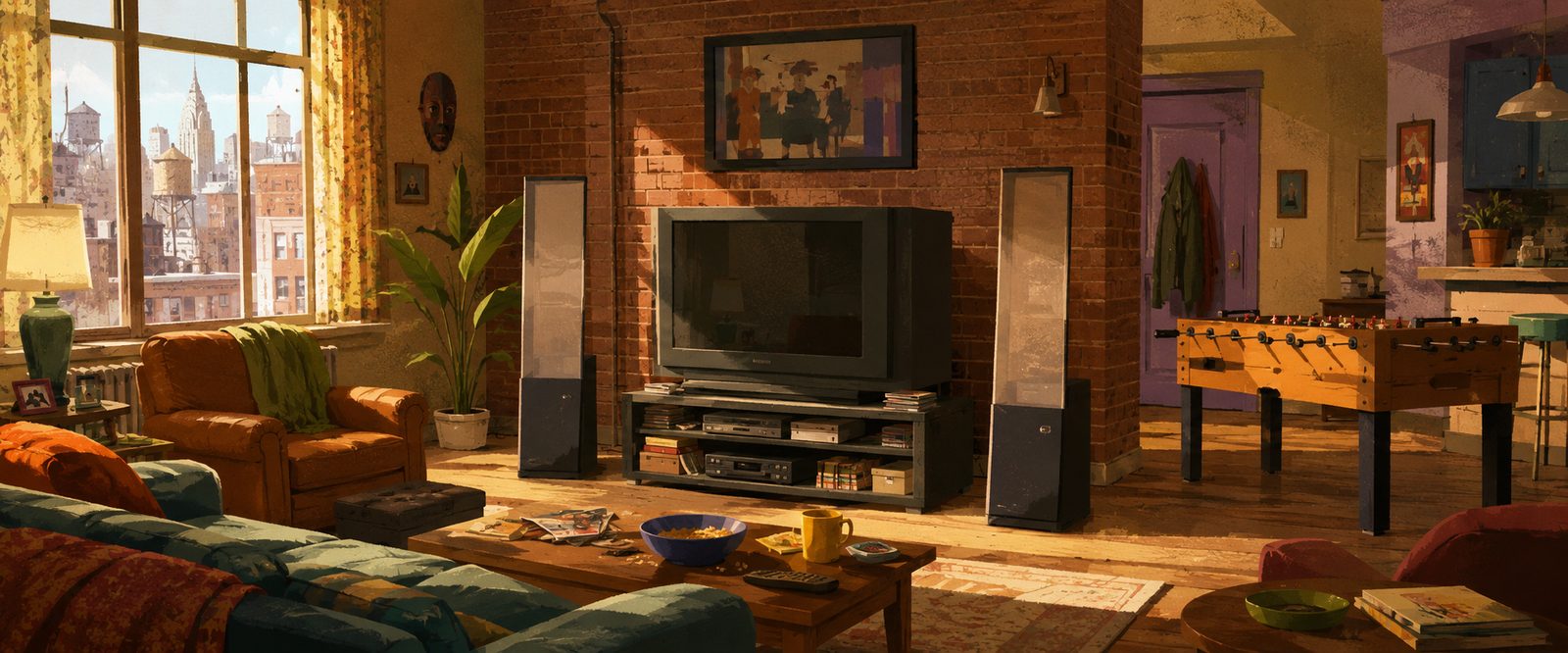
Nancy Meyers is famous for her aspirational interior design — her films are essentially lifestyle catalogs with plots attached. In What Women Want (2000), Nick Marshall's Chicago loft apartment is the quintessential Meyers bachelor pad: leather furniture, city views, fireplace, and audio equipment that serves as both entertainment and decor.
The apartment's visual anchors aren't paintings or sculptures — they're a pair of tall Revel floorstanding speakers flanking the fireplace like sentinels. It's a deliberate design choice that says everything about the character: this is a man who prioritizes sensory experience.
The gear
Revel is the luxury loudspeaker brand owned by Harman International (now part of Samsung). Their floorstanding speakers are engineered in Harman's Northridge, California research facility using some of the most advanced psychoacoustic testing methodologies in the industry.
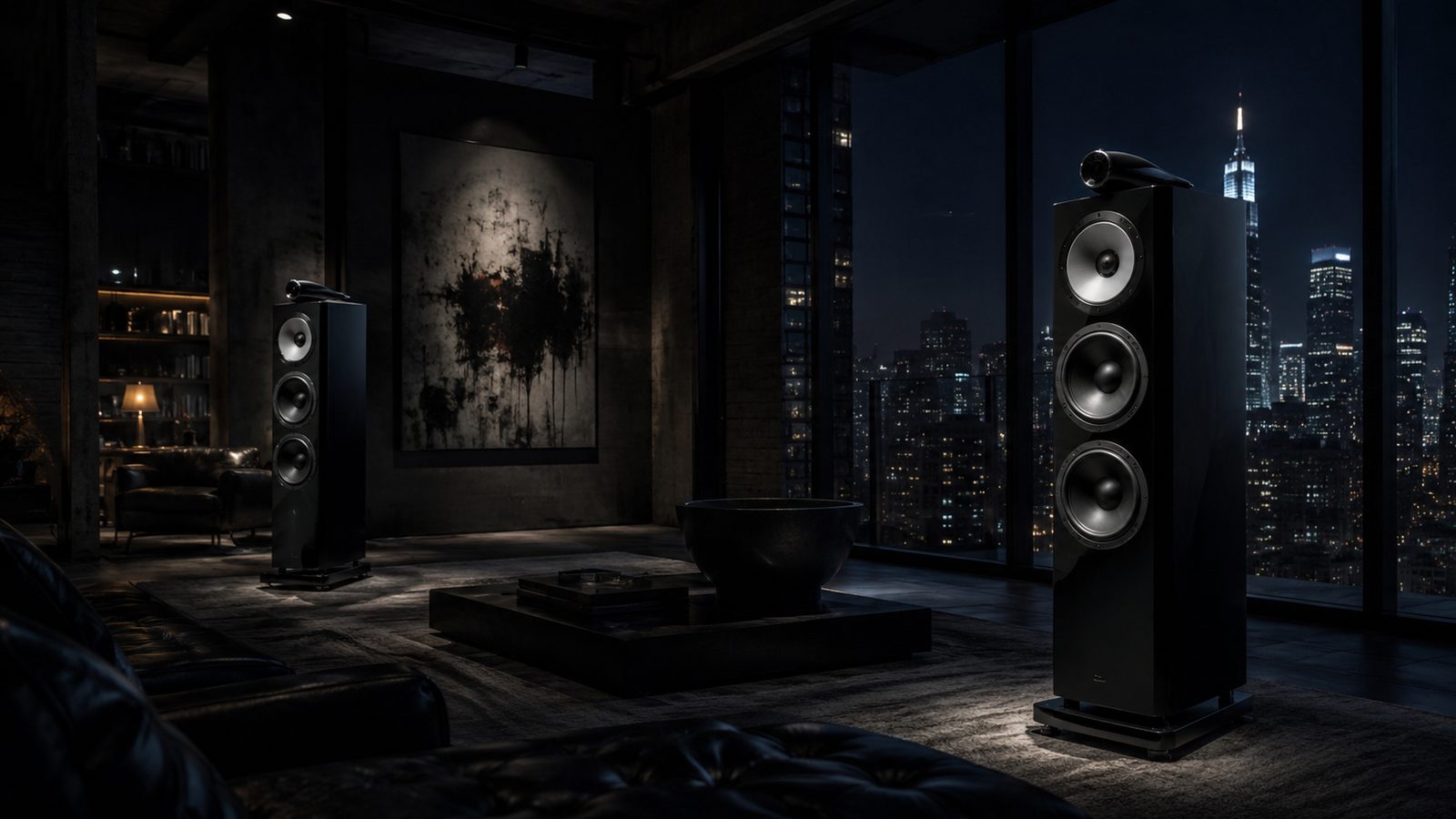
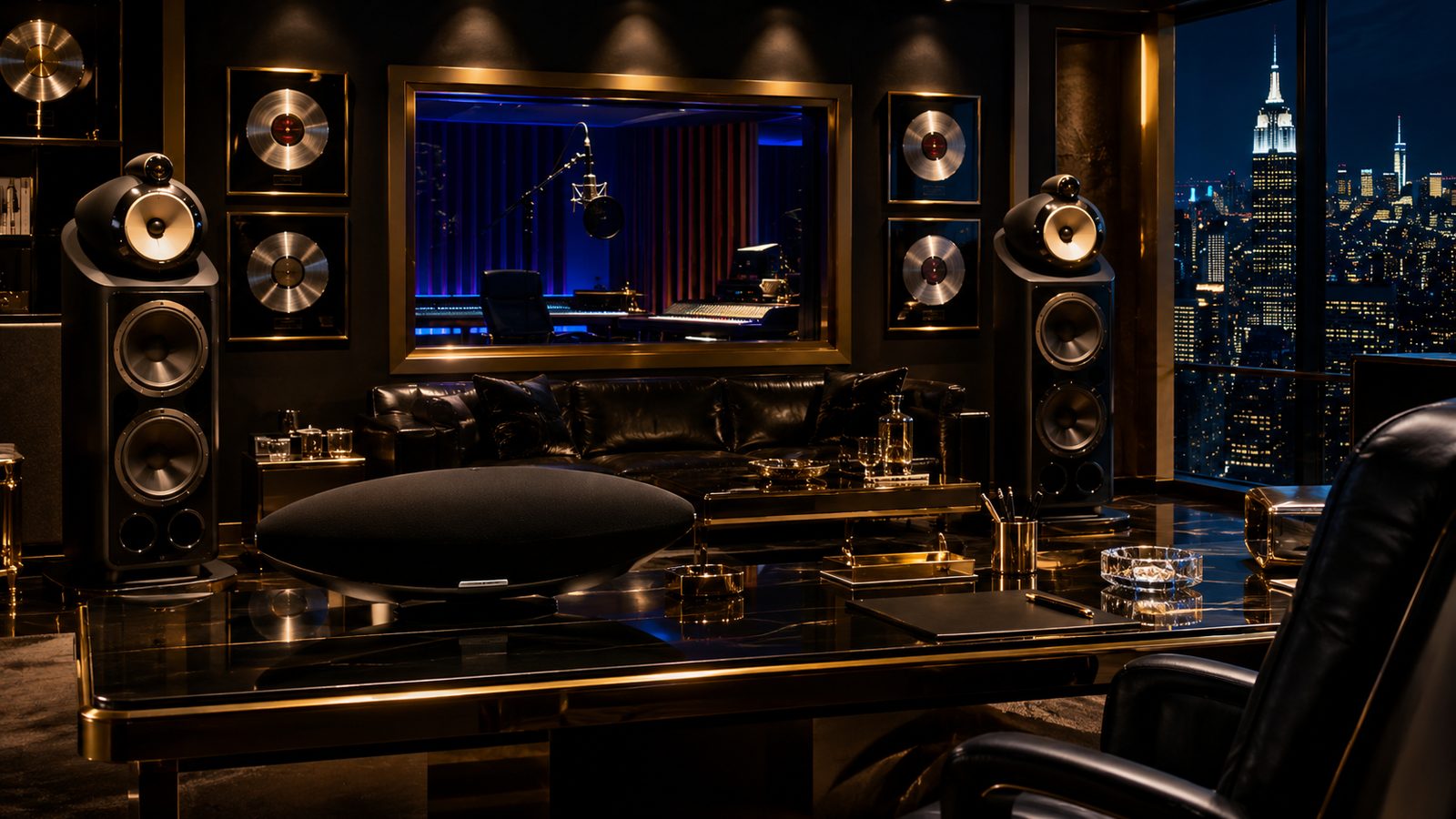
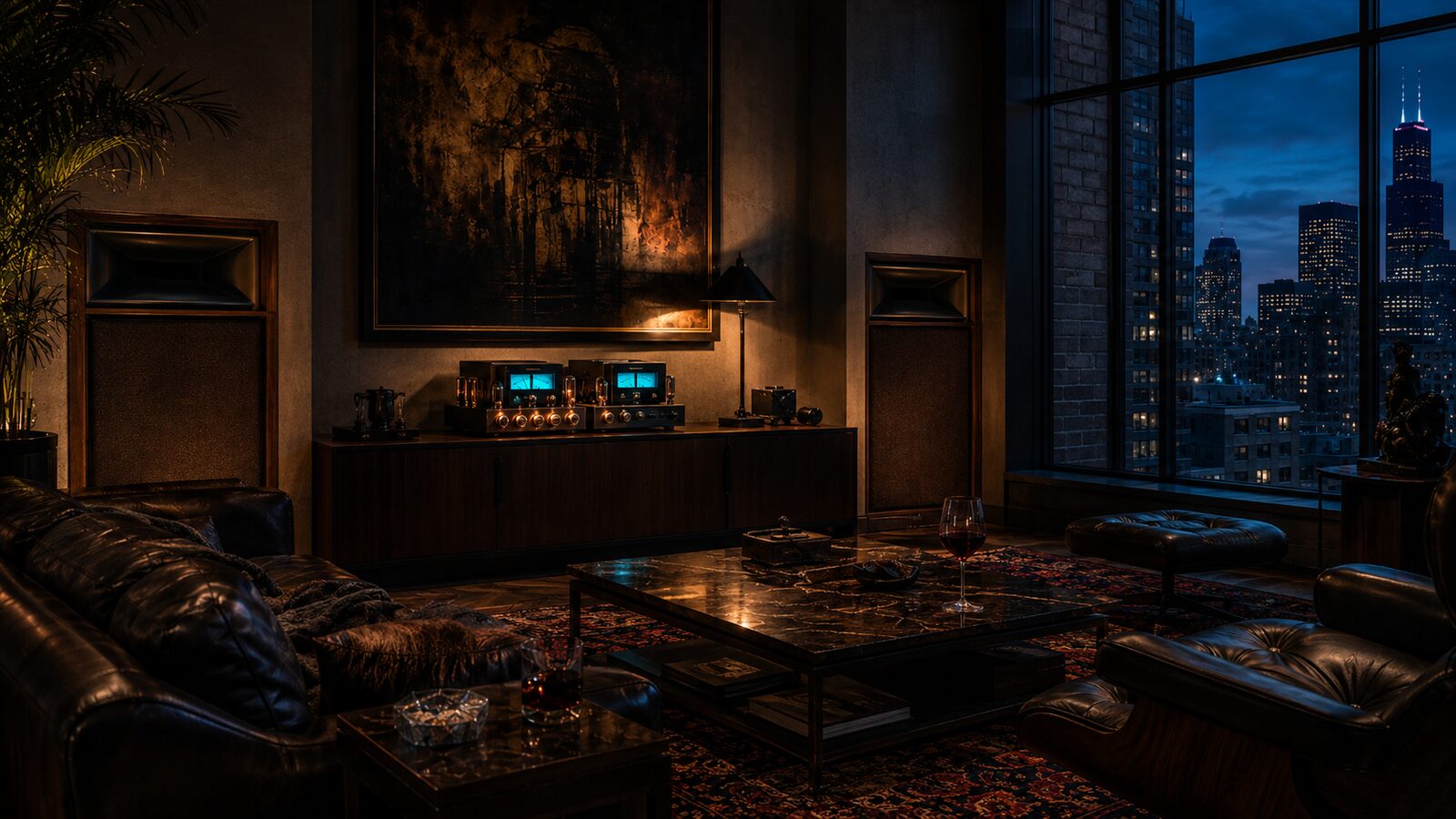
The specific Revel model in the film isn't conclusively identified, but the tall, elegant tower form factor is consistent with Revel's Ultima or Performa series. Revel speakers are designed to disappear sonically — delivering neutral, accurate sound that lets the music speak — while being visually striking enough to serve as furniture.
The right speakers don't just fill a room with sound — they complete it.
Why it matters
Revel's engineering pedigree is extraordinary. The brand emerged from Harman's research division under the guidance of Kevin Voecks, who designed speakers using double-blind listening tests and anechoic chamber measurements. The result was a line of speakers that consistently topped reviewer and measurement-based rankings.
On the secondary market, Revel speakers hold their value well, with floorstanding models trading between $500 and $3,000+ depending on age and model. The current Revel PerformaBe line represents the best value in high-end speakers, offering performance that rivals brands costing two to three times as much.
The placement in What Women Want is pure Nancy Meyers: the speakers aren't just audio equipment, they're lifestyle signifiers. They tell you this character has taste, money, and priorities.
Affiliate disclosure: We may earn a commission from qualifying purchases made through links on this page, at no extra cost to you.