Andy Warhol's Pioneer Hi-Fi
In 1975, the king of pop art became the face of Pioneer Electronics. The ads turned a Japanese hi-fi brand into a cultural statement. The vintage receivers are now worth thousands.
The Scene
Andy Warhol didn't need the money. By 1975, he was the most famous living artist in America, a fixture at Studio 54, and the publisher of Interview magazine. But when Pioneer Electronics approached him to appear in their print advertising campaign, he said yes — because Warhol understood, better than anyone, that commercial products were art, and art was commerce. The distinction was fake. He'd been saying it since the Campbell's Soup cans.
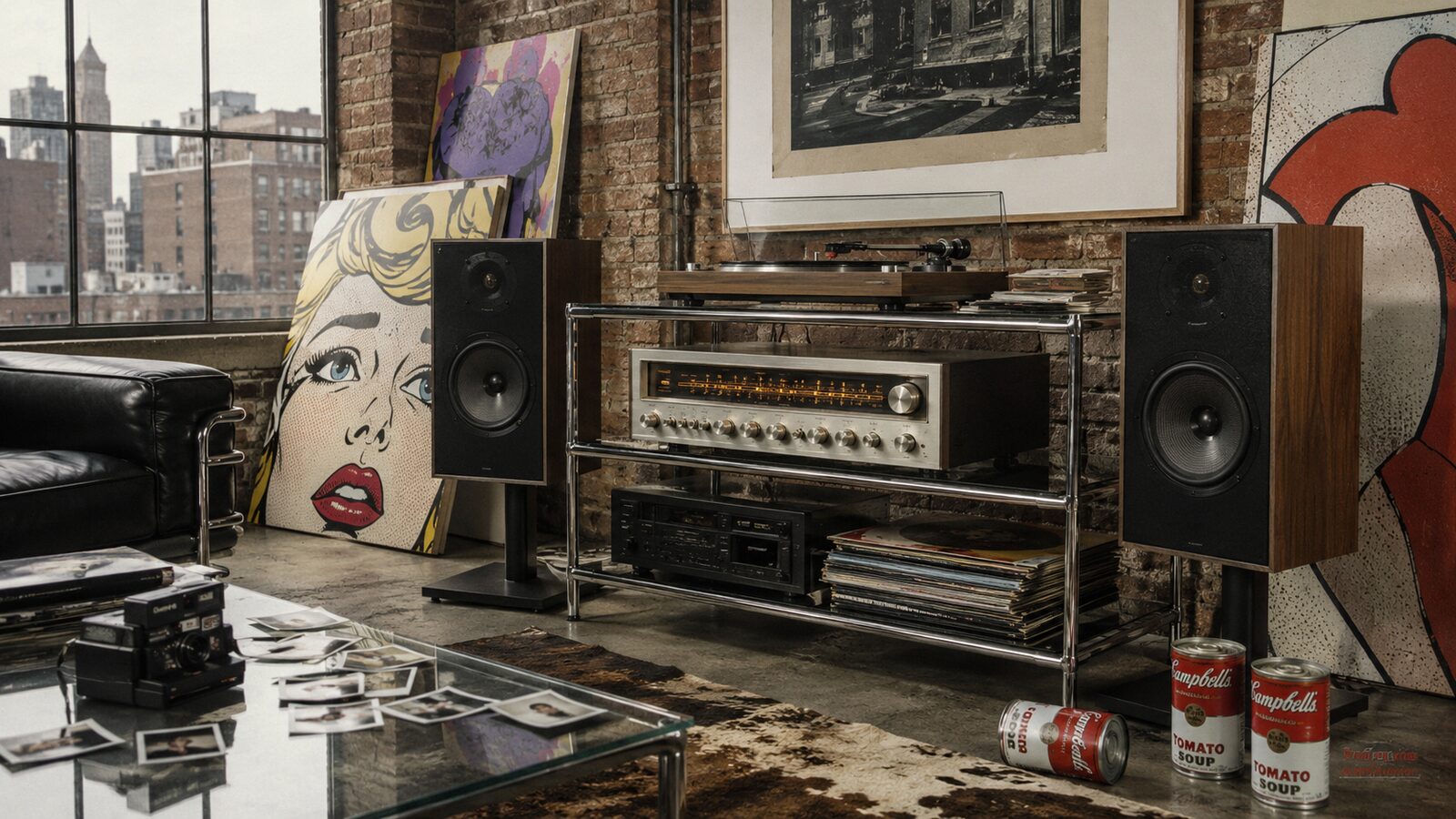
The Pioneer ads featured Warhol posed with a complete Pioneer component system — receiver, turntable, cassette deck, and speakers — styled in his signature flat, commercial aesthetic. The campaign was brilliant because it did exactly what Warhol had always done: it elevated a mass-market consumer product into something aspirational by association. Pioneer wasn't selling sound quality. They were selling the idea that owning a Pioneer system meant you understood something about the intersection of technology and culture.
The Gear
The specific Pioneer components in the Warhol campaign haven't been documented to individual model numbers, but the flagship receivers of the era were the Pioneer SX-1250 (160W/channel, released 1976) and the Pioneer SX-1050 (120W/channel, released 1975). These silver-faced monsters — heavy, warm, and overbuilt — are the receivers most likely to have appeared in the ads.
Pioneer's 1970s lineup also included the PL-530 and PL-570 direct-drive turntables, the CT-F1000 cassette deck (the first with Dolby B), and the HPM-100 speakers, which featured a unique "supertweeter" driver. These were premium products — expensive for 1975, built to last, and styled in the brushed-aluminum aesthetic that defined the era.
The crown jewel of Pioneer's vintage receiver line is the SX-1980, released in 1979 — a 270W/channel monster that weighs 73 pounds and sells for $3,000–$5,000 on the vintage market. While it postdates the Warhol campaign by four years, it represents the apex of the engineering philosophy that the Warhol ads helped popularize: bigger, heavier, more powerful, more beautiful.
"Art is what you can get away with."— Andy Warhol
Why It Matters
The Warhol-Pioneer campaign sits at the intersection of two collecting worlds: pop art and vintage audio. Warhol's association elevated Pioneer from a well-regarded Japanese manufacturer to a cultural badge — and that cachet has survived into the vintage market. Pioneer SX-series receivers are among the most collected vintage audio components in the world, with the SX-1980 commanding prices that rival modern high-end amplifiers.
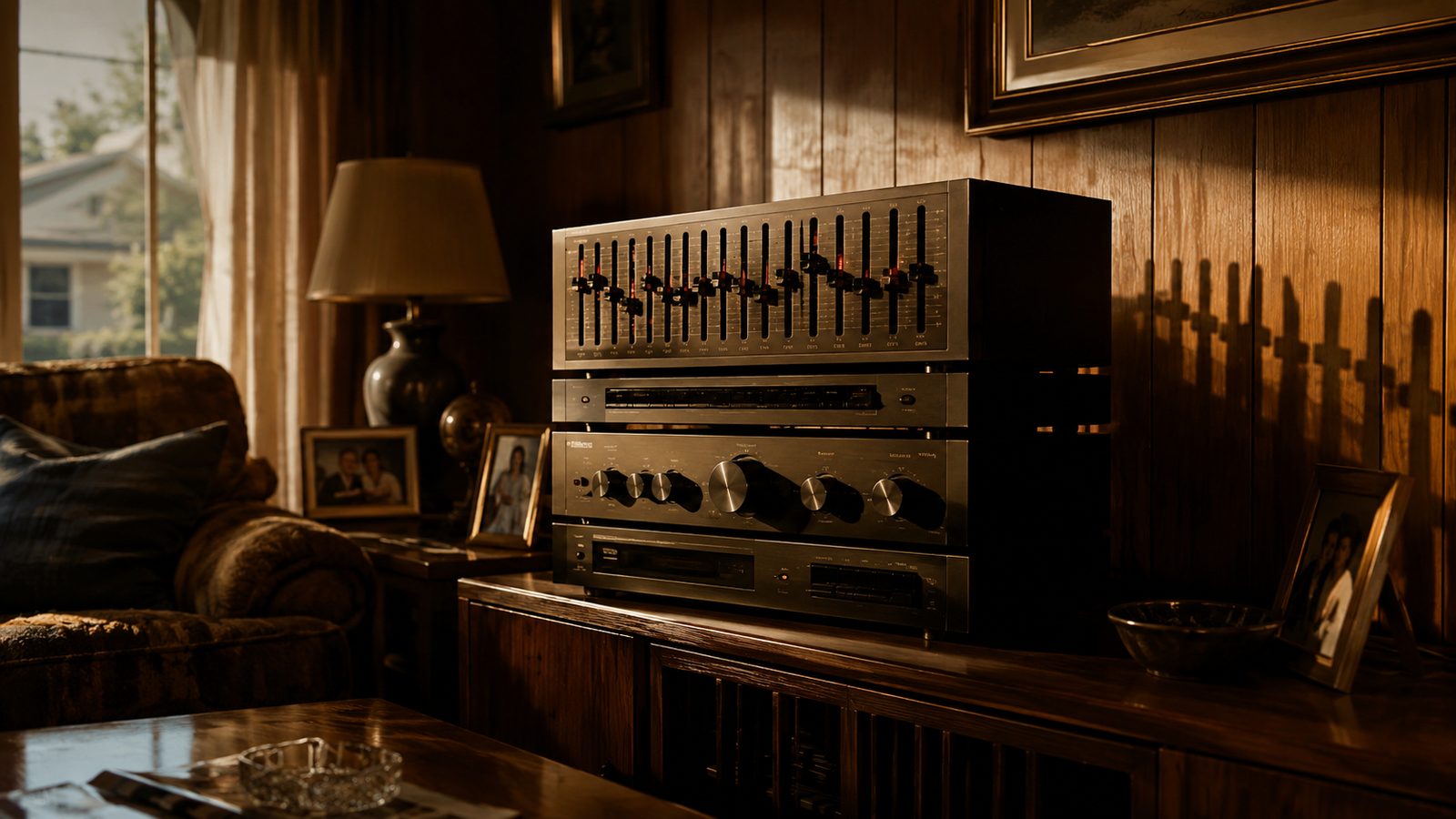
The silver-faced Pioneer receiver aesthetic — warm amber dial lights, brushed aluminum, heavy knobs — has become iconic in its own right. These receivers appear in interior design magazines, Brooklyn apartments, and Instagram feeds as objects of beauty as much as function. They sound excellent, they look incredible, and they carry a cultural weight that modern audio equipment simply doesn't.
Warhol himself understood this perfectly. Consumer electronics are art objects. A Pioneer SX-1250 on a shelf is as much a design statement as a silkscreen on a wall. The campaign just made it explicit.
The Gear Cards
Pioneer SX-1980
The apex of Pioneer's vintage receiver line. 270W/channel, 73 pounds, brushed aluminum. The most powerful stereo receiver Pioneer ever made. Released 1979, four years after the Warhol campaign, but the culmination of the design philosophy the ads championed.
Pioneer SX-1250
The likely model in the Warhol ads — Pioneer's flagship when the campaign ran. 160W/channel, silver face, warm amber dial. The receiver that Warhol made famous.
Modern Alternatives
Marantz MODEL 40n
~$2,500Modern integrated amplifier with streaming. Carries the same 1970s heritage aesthetic — warm, analog, built to display. The spiritual successor to the silver-face era.
View on Amazon →Yamaha A-S801
~$700Japanese integrated amplifier with built-in DAC. Clean, powerful, beautifully built. The modern equivalent of what Pioneer was doing in 1975.
View on Amazon →Klipsch The Fives
~$800/pairPowered bookshelf speakers with built-in amplification, Bluetooth, HDMI, and turntable input. Retro-modern design that Warhol would have appreciated.
View on Amazon →