The Eventide H910 on Bowie/Eno's "Heroes"
The world's first digital effects unit, a studio overlooking the Berlin Wall, and the greatest art-rock vocal ever recorded.
The Scene
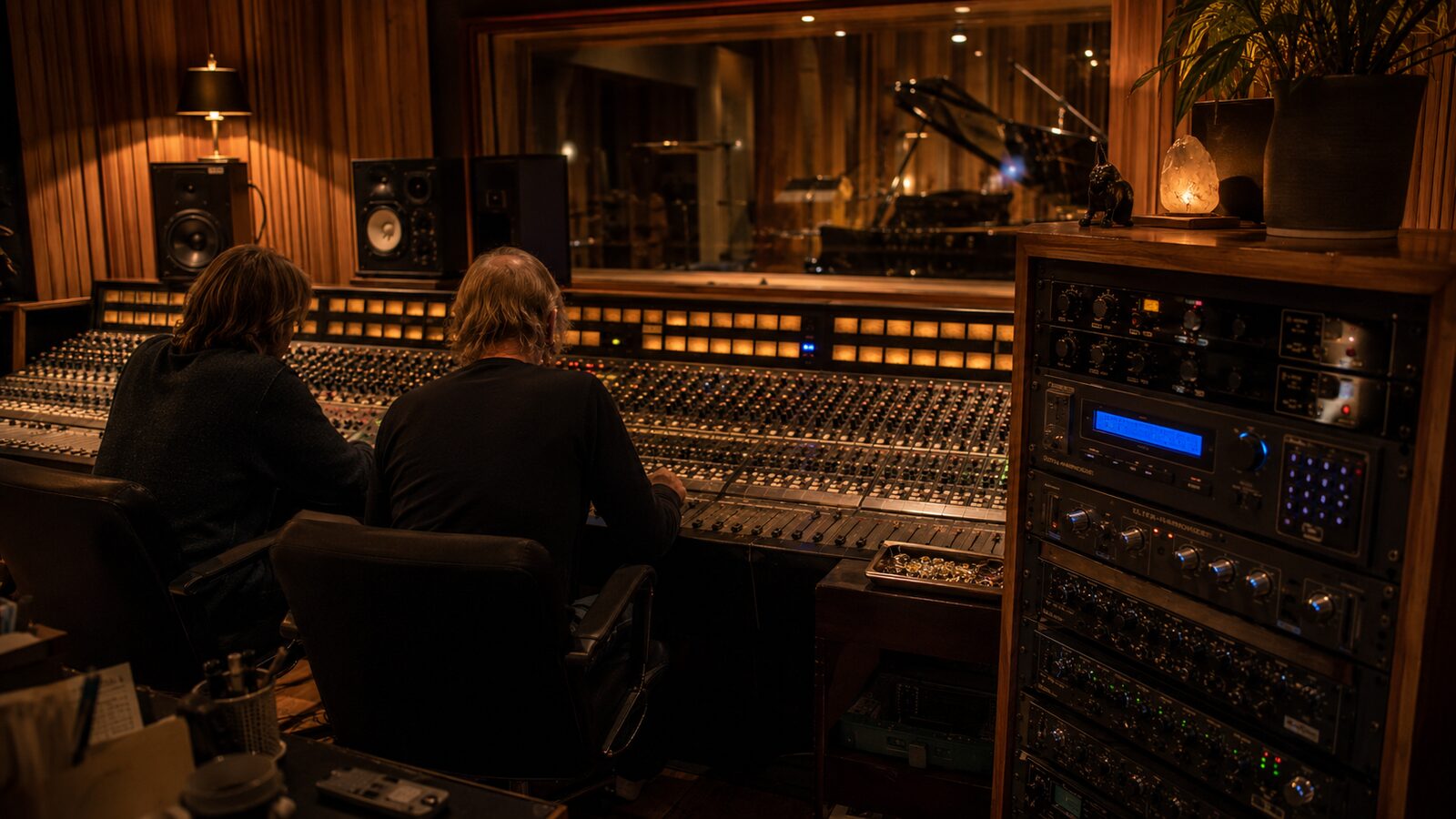
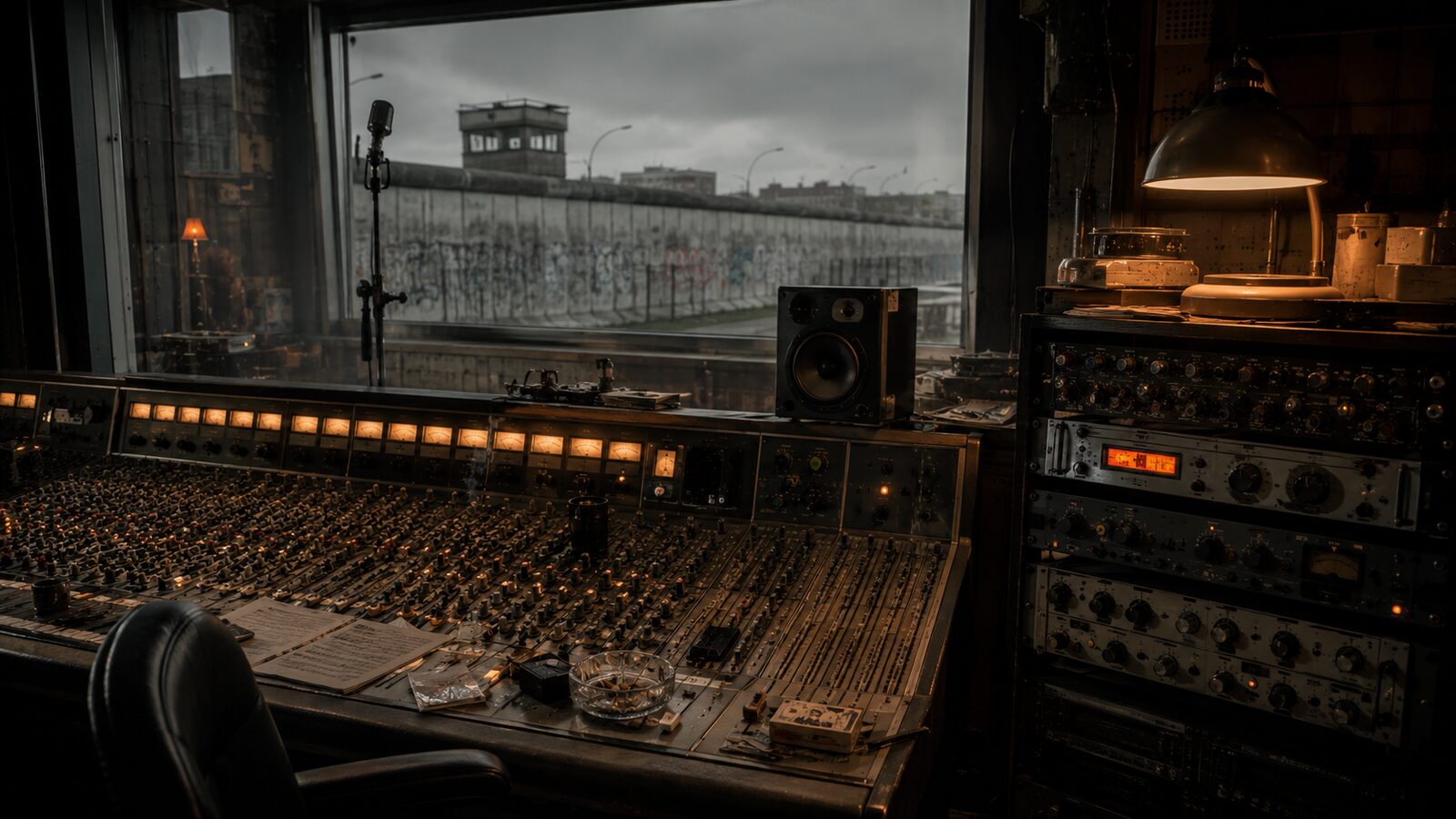
Hansa Studios sits at Köthener Straße 38 in what was then West Berlin, close enough to the Berlin Wall that armed East German guards were visible from the control room windows. David Bowie chose it specifically for that tension — the creative charge of recording in a divided city. Brian Eno, his collaborator and co-producer, set up in the control room with producer Tony Visconti and a rack of equipment that included something no other studio in Europe had at the time.
The Eventide H910 Harmonizer, introduced in 1975, was the world's first commercially available digital effects processor. It could shift pitch, create delays, and generate harmonies in ways that no analog device could replicate. Visconti used it extensively on Bowie's voice throughout the Berlin trilogy (Low, "Heroes", Lodger), feeding vocals through the H910 to create the doubled, slightly detuned textures that define the trilogy's sound.
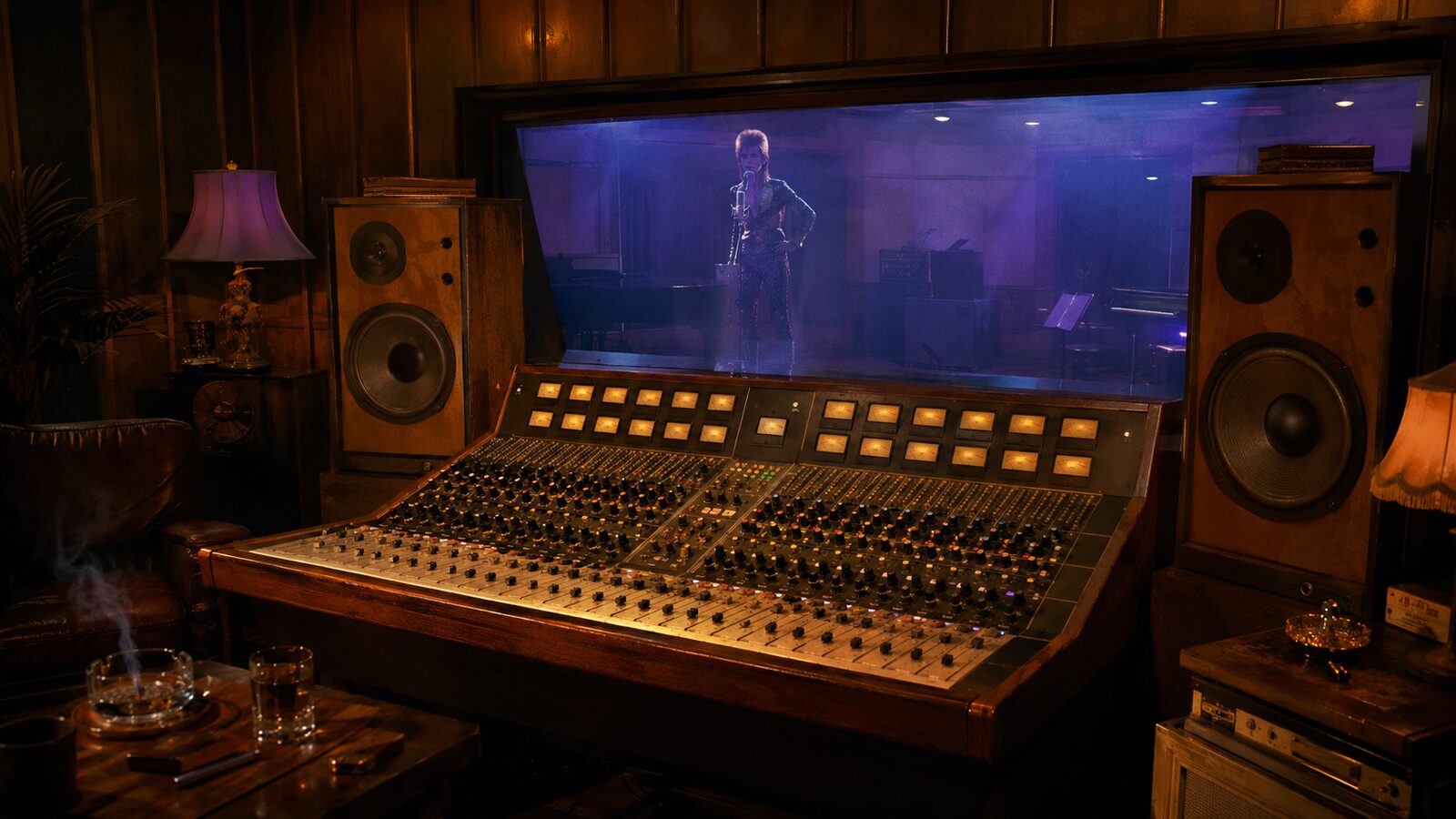
On the title track — recorded in a single take with Bowie standing in the live room, singing toward the window with the Wall beyond it — the H910 added a ghostly doubling to his voice that made it sound simultaneously present and distant, human and mechanical. The song became Bowie's definitive performance. The Eventide made it possible.
The Gear
The Eventide H910 Harmonizer was a breakthrough in audio technology: a digital pitch shifter capable of altering the pitch of an incoming signal by up to one octave up or down, with delay capabilities up to 112.5 milliseconds. Designed by Tony Agnello and Richard Factor at Eventide in New Jersey, it was the first digital signal processor marketed to recording studios. Its distinctive orange LED display became iconic in studio rack photos of the late 1970s.
Tony Visconti has spoken extensively about using the H910 on Bowie's sessions. The technique involved splitting the vocal signal, sending one path clean and the other through the Harmonizer with a slight pitch offset and delay. The result was a thickened, chorus-like doubling that sounded unlike any conventional chorus or delay effect — more organic, more unsettling, more alien.
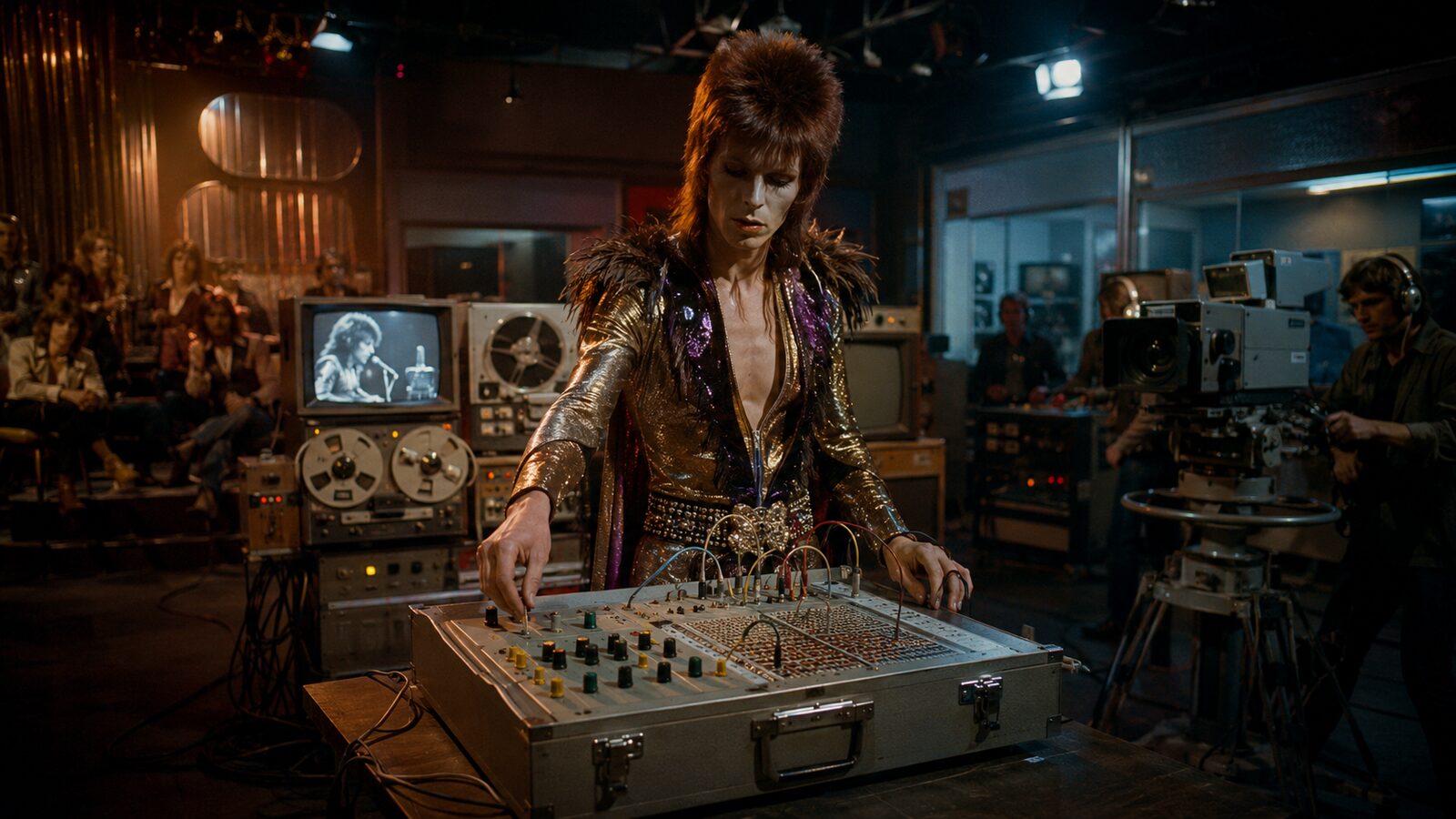
Eno's contribution to the "Heroes" sessions went beyond the H910. He used his EMS Synthi AKS (the suitcase version of the VCS3) to generate ambient textures and processed instruments through various treatments. But it was the Eventide that most directly shaped the album's vocal character — the sound that defined Bowie's late-1970s reinvention.
We could see the Wall from the studio window. The guards could see us. We made the record in that atmosphere.— Tony Visconti, producer, on recording at Hansa Studios
Why It Matters
The Eventide H910 didn't just process Bowie's voice — it launched an entire industry. Digital effects processing, now ubiquitous in every DAW plugin folder and every guitarist's pedalboard, traces its commercial lineage to this device. Eventide went on to produce the H949, the H3000 Ultra-Harmonizer, and eventually the modern H9 series, each building on the principles established by the H910.
Original H910 units appear on eBay in the $2,000–$4,000 range and are sought after by studios and collectors. The later Eventide H949 — which added more memory and features — commands similar prices. For modern users, Eventide's H9 Max pedal and their plugin suite bring the H910 algorithm into a contemporary format at a fraction of the cost.
Hansa Studios itself remains operational and is now a pilgrimage site for music fans. The room where "Heroes" was recorded — with its view of where the Wall once stood — is still booked for sessions. The Eventide rack unit has been replaced many times over, but the sound it pioneered lives in every pitch-shifted vocal you've ever heard.
The Gear Cards
Affiliate disclosure: We may earn a commission from qualifying purchases made through links on this page, at no extra cost to you.
Eventide H910 Harmonizer
The world's first digital effects processor. Used by Tony Visconti on Bowie's vocals throughout the Berlin trilogy. Orange LED display, pitch shifting, delay.
Eventide H949 Harmonizer
Enhanced successor to the H910 with more memory, reverse effects, and micro-pitch detuning. The studio standard through the early 1980s.
Modern Alternatives
Eventide H9 Max
Modern multi-effects pedal with algorithms descended from the H910 and H949. Pitch shifting, harmonizing, delay, and reverb in one unit.
View on AmazonTC Electronic Brainwaves
Budget pitch shifter pedal with intelligent harmonies. Not Eventide quality, but a gateway to pitch-shift effects.
View on AmazonEventide MicroPitch Delay Plugin
Software plugin that recreates the H910/H949 micro-pitch detuning technique. The exact Bowie vocal sound in your DAW.
View on Amazon