The Gear Behind The Downward Spiral
Trent Reznor rented the house where Sharon Tate was murdered, installed an Amek Mozart console with Rupert Neve modules, two Studer A800 24-tracks, and built the most harrowing album of the 1990s.
The Scene
In 1992, Trent Reznor rented 10050 Cielo Drive in Benedict Canyon, Los Angeles — the house where the Manson Family murders took place in 1969. He named it Le Pig, after the word the killers had written on the front door in blood, and converted it into a recording studio. The gesture was either audacious or obscene, depending on your perspective. Reznor later said he regretted the decision after meeting Sharon Tate's sister.
But the music that came out of Le Pig was undeniable. The Downward Spiral was a controlled demolition of industrial rock — dense, layered, meticulously constructed, and viscerally unsettling. Every sound on the album was captured through a signal chain that Reznor and engineer Sean Beavan had assembled specifically for the project, in a space that Reznor chose specifically for its psychological weight.
The Gear
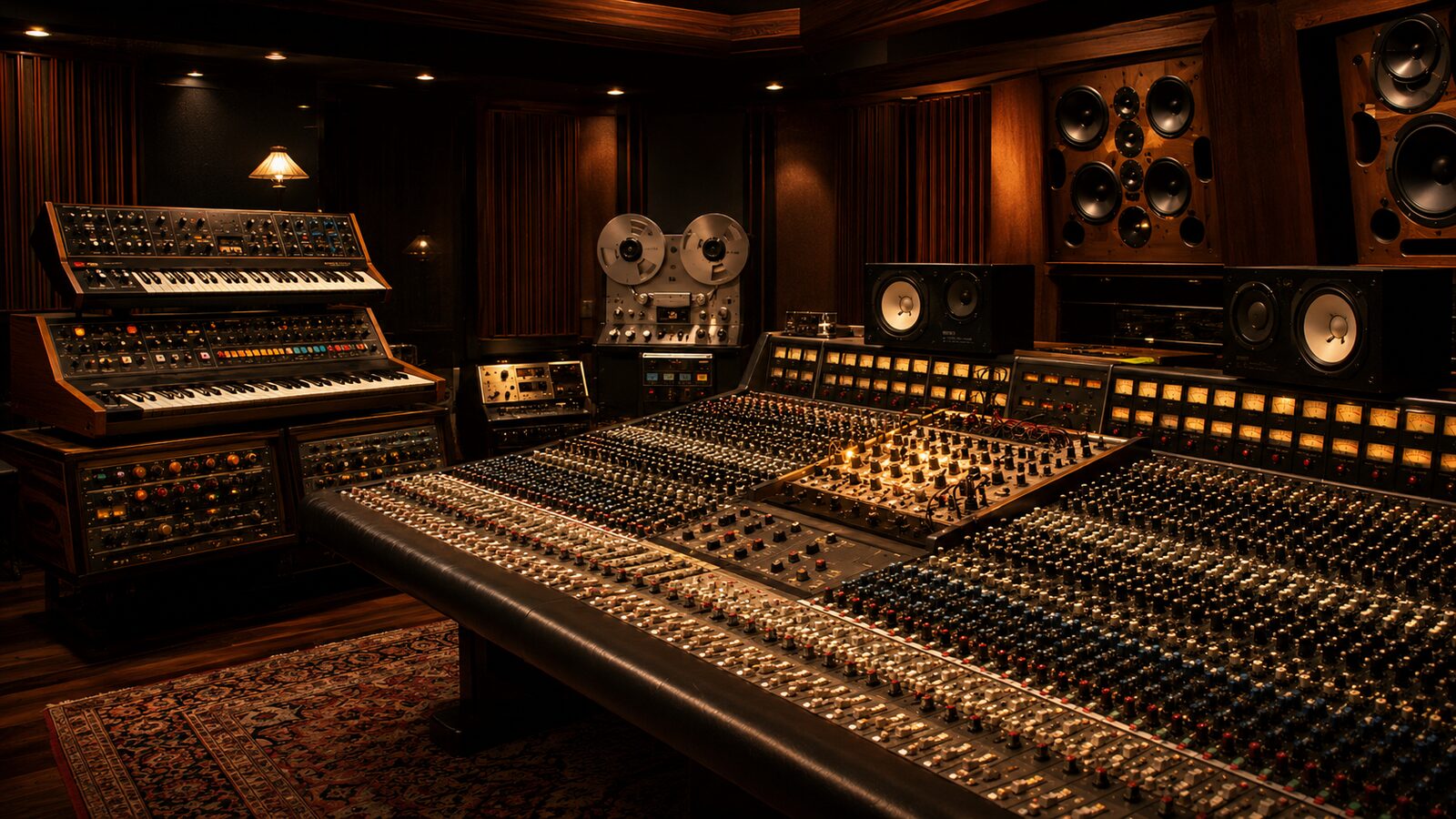
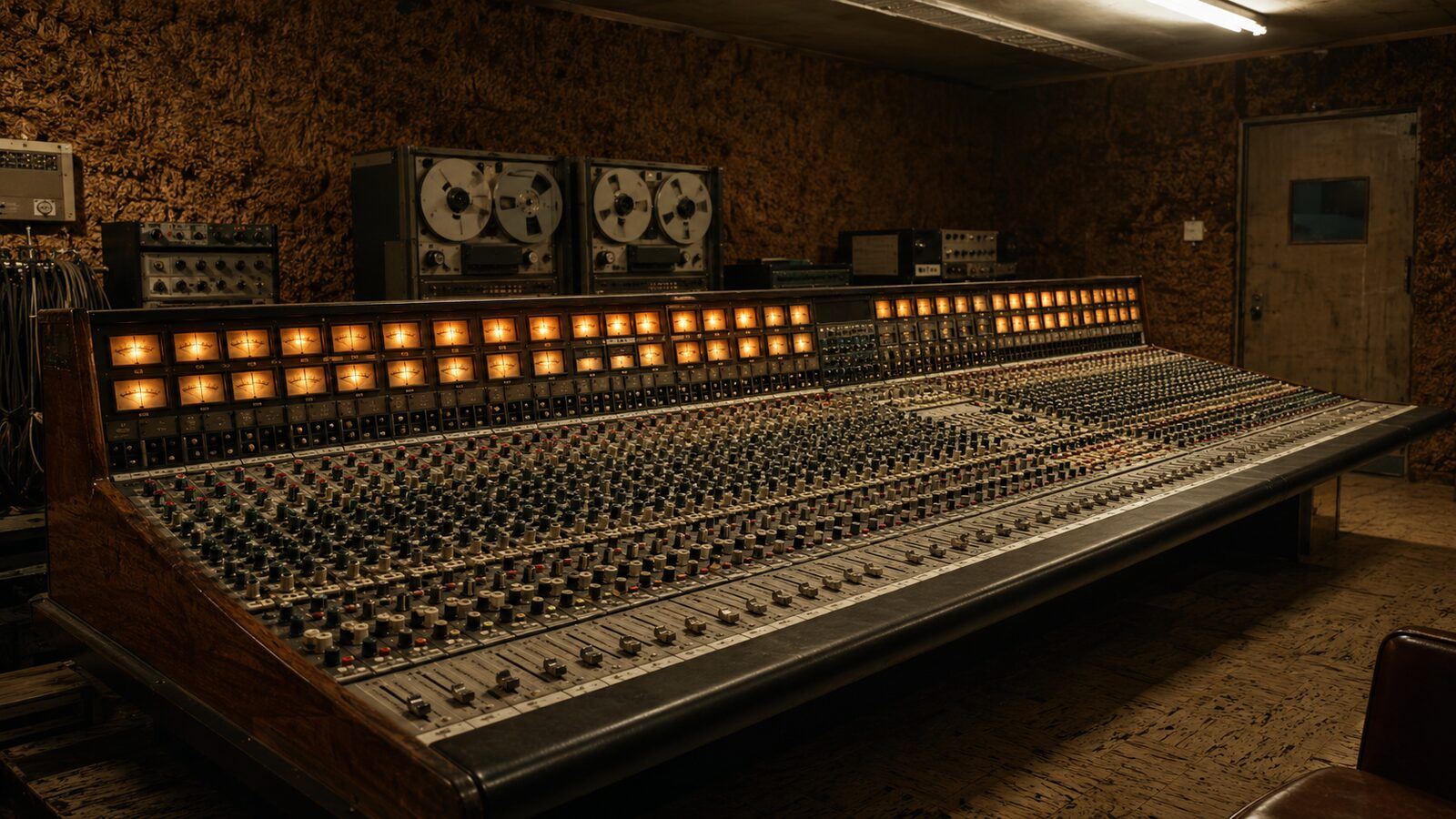
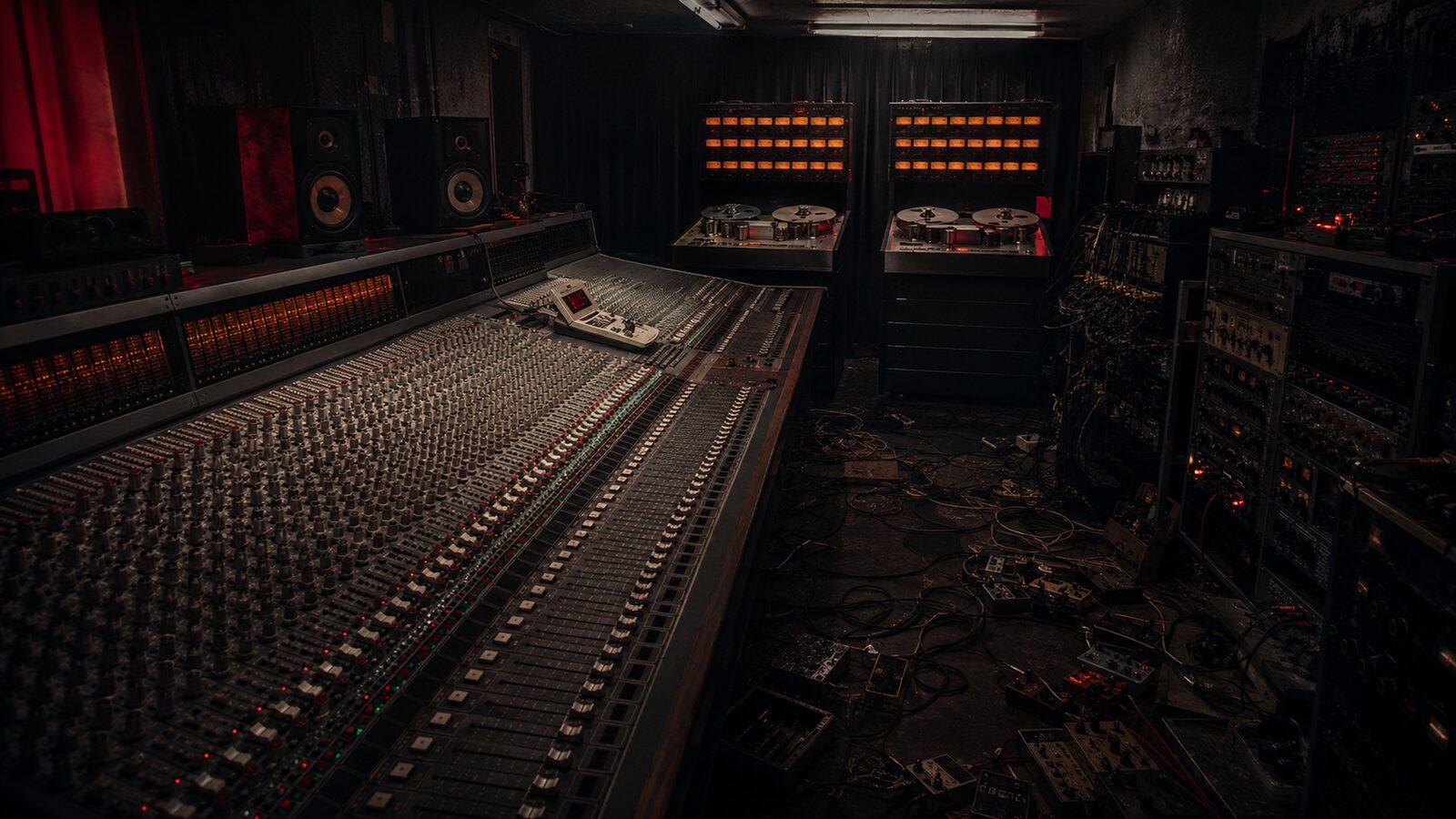
The recording console was an Amek Mozart, a 56-input desk fitted with Rupert Neve modules — an unusual combination that married the Amek's flexible routing with Neve's legendary preamp and EQ character. The Mozart was a large-format professional console from Amek's Manchester factory, and the addition of Neve modules to selected channels gave Reznor access to the warm, harmonically rich input stage that defines the Neve sound.
Tape machines were two Studer A800 Mk3 24-track recorders running 2-inch tape. Using two machines allowed Reznor to slave them together for 46 simultaneous tracks — a massive track count for analog recording, essential for the album's dense layering of guitars, synths, samples, and processed drums.
The outboard rack included a Marshall JMP-1 preamp (used as a guitar distortion source), a Zoom 9030 multi-effects unit, and a collection of synthesizers that included a Sequential Prophet VS and an Oberheim Xpander — two of the most sought-after digital/analog hybrid synths of the 1980s. The Prophet VS, with its vector synthesis, provided the eerie, shifting pad textures that underpin tracks like "A Warm Place."
"The album was meticulously documented — Sean Beavan tracked every piece of outboard, every synth patch, every signal chain. It's one of the most completely recorded gear lists in industrial music."— Equipboard, citing 1994 Guitar World interview
Why It Matters
The Downward Spiral debuted at number two on the Billboard 200 and has sold over four million copies in the U.S. It's widely regarded as one of the most important albums of the 1990s — a work that pushed industrial rock from the underground into mainstream consciousness while maintaining its abrasive, uncompromising edge.
The album's gear chain is notable for its specificity. Unlike many records where the equipment is only vaguely documented, The Downward Spiral's signal path is exhaustively recorded thanks to Sean Beavan's engineering notes and Reznor's own equipment lists. This makes it an affiliate goldmine — every piece can be named, priced, and linked.
The Studer A800 Mk3 is the most expensive item: working units sell for $15,000–$30,000. The Marshall JMP-1 is far more accessible at $500–$900, and the Zoom 9030 — once considered disposable — has developed a niche following among producers chasing specific 1990s digital artifacts, selling for $100–$200.
The Gear Cards
Affiliate disclosure: We may earn a commission from qualifying purchases made through links on this page, at no extra cost to you.
Amek Mozart (w/ Neve modules)
Manchester-built 56-input console fitted with Rupert Neve preamp/EQ modules. The unusual hybrid that gave Reznor Amek flexibility with Neve warmth. Recorded at Le Pig, 10050 Cielo Drive.
Studer A800 Mk3
Two 24-track machines slaved together for 46 simultaneous tracks. The Studer A800 was the last great analog multitrack — Swiss precision, legendary reliability, and a tape saturation character that defines the sound of 1990s rock.
Marshall JMP-1
Rackmount tube preamp used as a distortion source throughout the album. MIDI-controllable, four channels, 12AX7 tubes. The affordable way into the Downward Spiral signal chain.
Modern Alternatives
Sequential Prophet Rev2
~$1,800Modern analog polysynth from the Prophet lineage. 16 voices, deep modulation matrix. The Prophet VS's spiritual heir, in production and affordable.
View on Amazon →Universal Audio OX Stomp
~$400Amp-top reactive load box and speaker emulator. Get the Marshall JMP-1 distortion character without needing a speaker cabinet or a haunted house.
View on Amazon →TASCAM Model 12
~$500Analog mixer with built-in multitrack recorder. The modern bedroom-studio equivalent of what Reznor built at Le Pig — minus the Studer price tag.
View on Amazon →