Leave the World Behind
The McIntosh system that kept playing while the world fell apart outside.
The scene
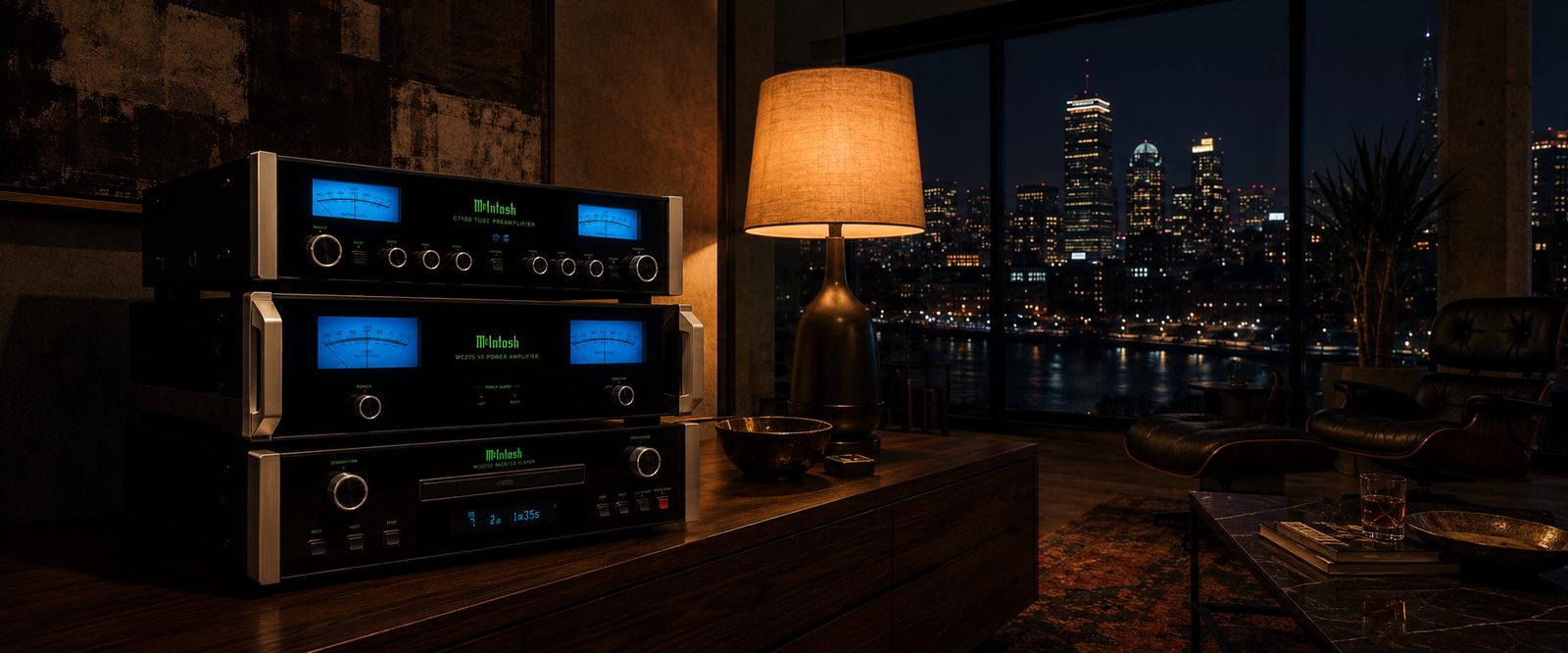
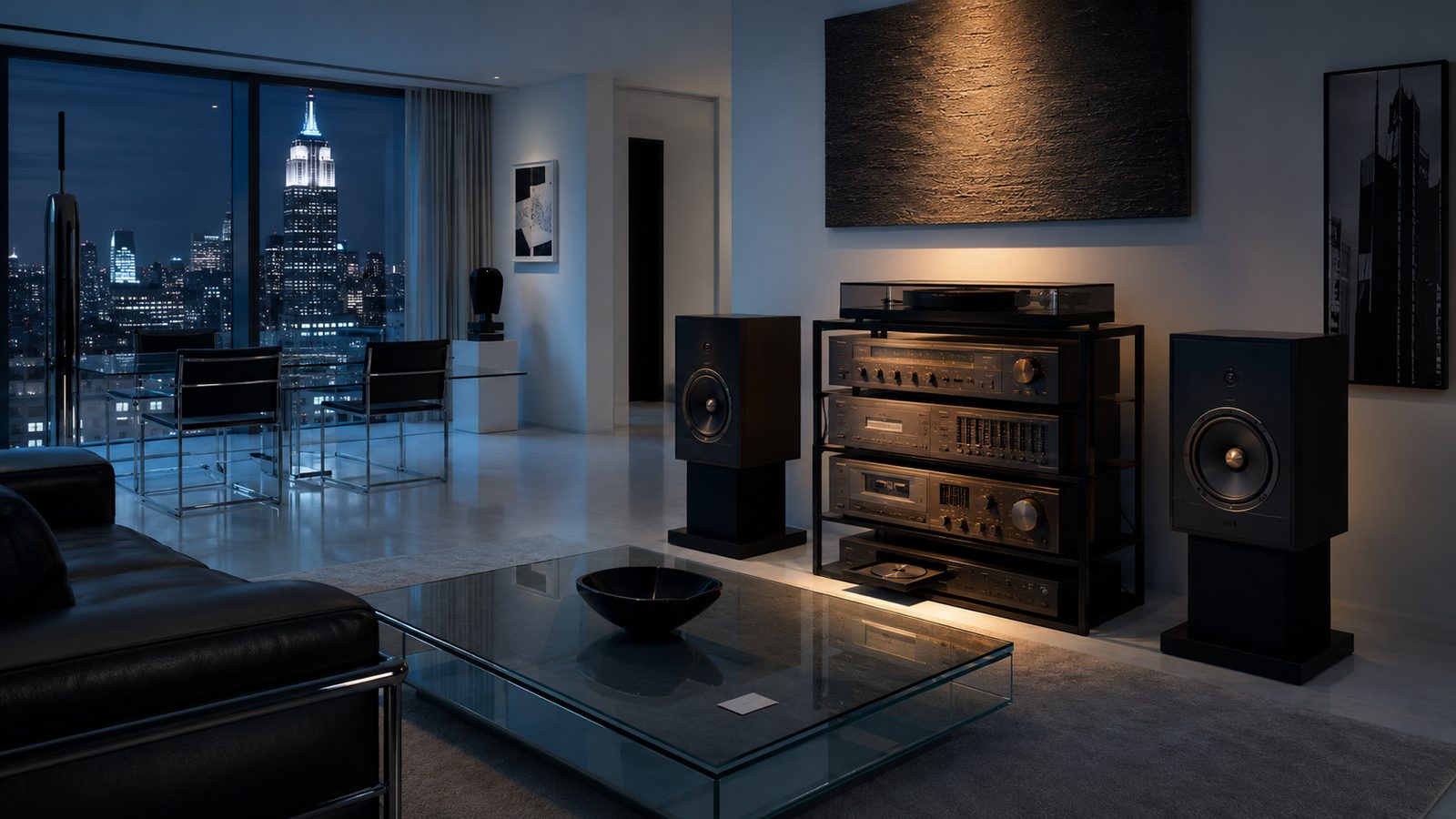
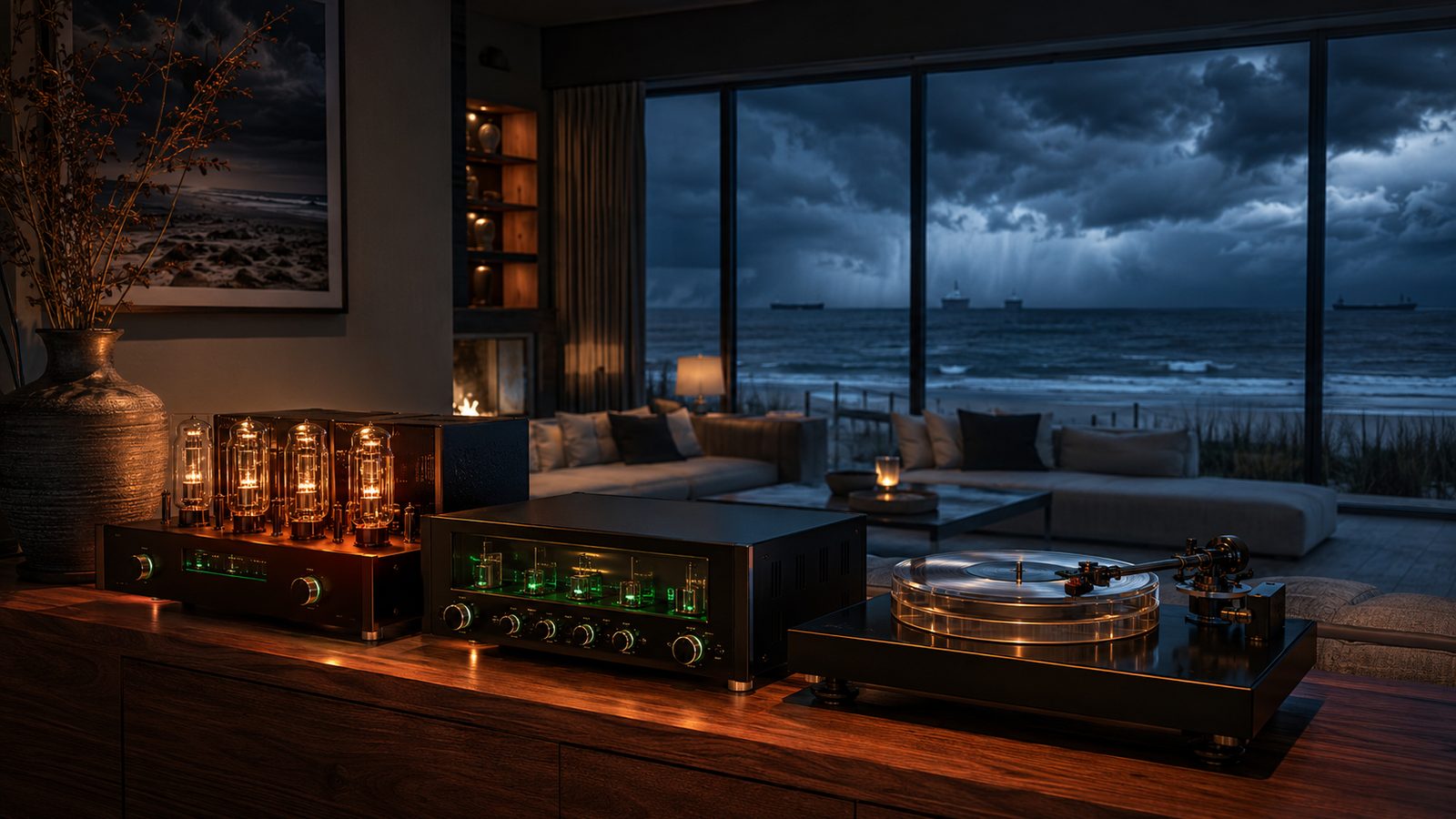
A Hamptons beach house. Luxurious, rented, temporary. The kind of place where everything is expensive and nothing is yours. On a walnut credenza in the living room sits a McIntosh audio system — preamp, tube amp, turntable — glowing green and warm in a room that's about to be consumed by something very wrong outside those panoramic windows.
Sam Esmail's 2023 Netflix adaptation of Rumaan Alam's novel uses the McIntosh system as a marker of wealth and taste that becomes increasingly irrelevant as technology fails and society unravels. The stereo works when the internet doesn't. The vinyl plays when the streaming stops. There's a quiet irony in the most analog system in the house being the last one standing.
The gear
The system is a McIntosh three-component setup: a C2800 preamplifier with its iconic black glass faceplate and glowing green McIntosh logo, an MC275 Version VI tube power amplifier with its exposed vacuum tubes and chrome chassis, and an MT2 Precision turntable.
The C2800 is McIntosh's reference-grade preamp — a $7,000+ component with blue VU meters, multiple analog and digital inputs, and the kind of build quality that justifies a lifetime warranty. The MC275 is perhaps the most famous tube amplifier in existence — first released in 1961, it's been in continuous production (with revisions) ever since. The exposed KT88 output tubes glow orange in the film, providing the warm visual accent against the cold blue light from outside.
The MT2 is McIntosh's precision turntable — a belt-drive design with an illuminated McIntosh logo on the platter and a pre-installed cartridge. The complete system represents roughly $20,000–$25,000 at retail, which is entirely appropriate for a Hamptons rental that costs more per week than most people's monthly mortgage.
"There is a stranger in my house."
Why it matters
Leave the World Behind uses the McIntosh system as both set decoration and thematic device. The stereo represents the false security of wealth — beautiful, expensive, and completely useless when the real crisis arrives. But it also represents something the digital world can't: permanence. When the WiFi dies and the phones stop working, the turntable still spins.
McIntosh has appeared in multiple films and shows (The Departed, Elementary), but the Leave the World Behind placement is the most prominent — the system is visible in multiple scenes and its green glow is a recurring visual motif. For McIntosh's brand, these placements reinforce the message they've cultivated for decades: this is the equipment of people with discerning taste and significant resources.
The MC275 is the collector's centerpiece. Original 1960s units command $5,000–$10,000+. The current Version VI retails around $6,500 and holds its value remarkably well. McIntosh equipment, in general, depreciates less than almost any other audio brand — it's the Rolex of stereo equipment, where used prices often approach new.
Affiliate disclosure: We may earn a commission from qualifying purchases made through links on this page, at no extra cost to you.
McIntosh MC275 (Version VI)
75 watts per channel of tube power. KT88 output tubes, chrome chassis, transformer-coupled output. First released in 1961, continuously produced since. The most iconic tube amp ever made.
- Era
- 1961–present
- Type
- Tube power amplifier
- eBay market
- $3,000–$7,000+
- Condition note
- Tubes may need replacement on older units
McIntosh C2800
Reference-grade preamp with blue VU meters, black glass faceplate, and the glowing green McIntosh logo. Multiple analog and digital inputs. The nerve center of the system.
- Era
- Current production
- Type
- Stereo preamplifier
- eBay market
- $5,000–$7,000+
- Condition note
- Current model — available new
McIntosh MA252
Hybrid integrated amp — tubes on the preamp stage, solid-state on the power stage. Blue VU meters, exposed tubes, one box instead of three. The most accessible entry into the McIntosh world.
View on Amazon →PrimaLuna EVO 100
Dutch-designed tube integrated amp with auto-biasing and a warm, musical sound. The audiophile alternative for people who want the tube glow without the McIntosh price tag.
View on Amazon →Fosi Audio P3 Tube Preamp
Budget tube preamp that adds real vacuum tube warmth to any system. Not McIntosh-grade, but the glowing tubes are real and the sound improvement is genuine.
View on Amazon →