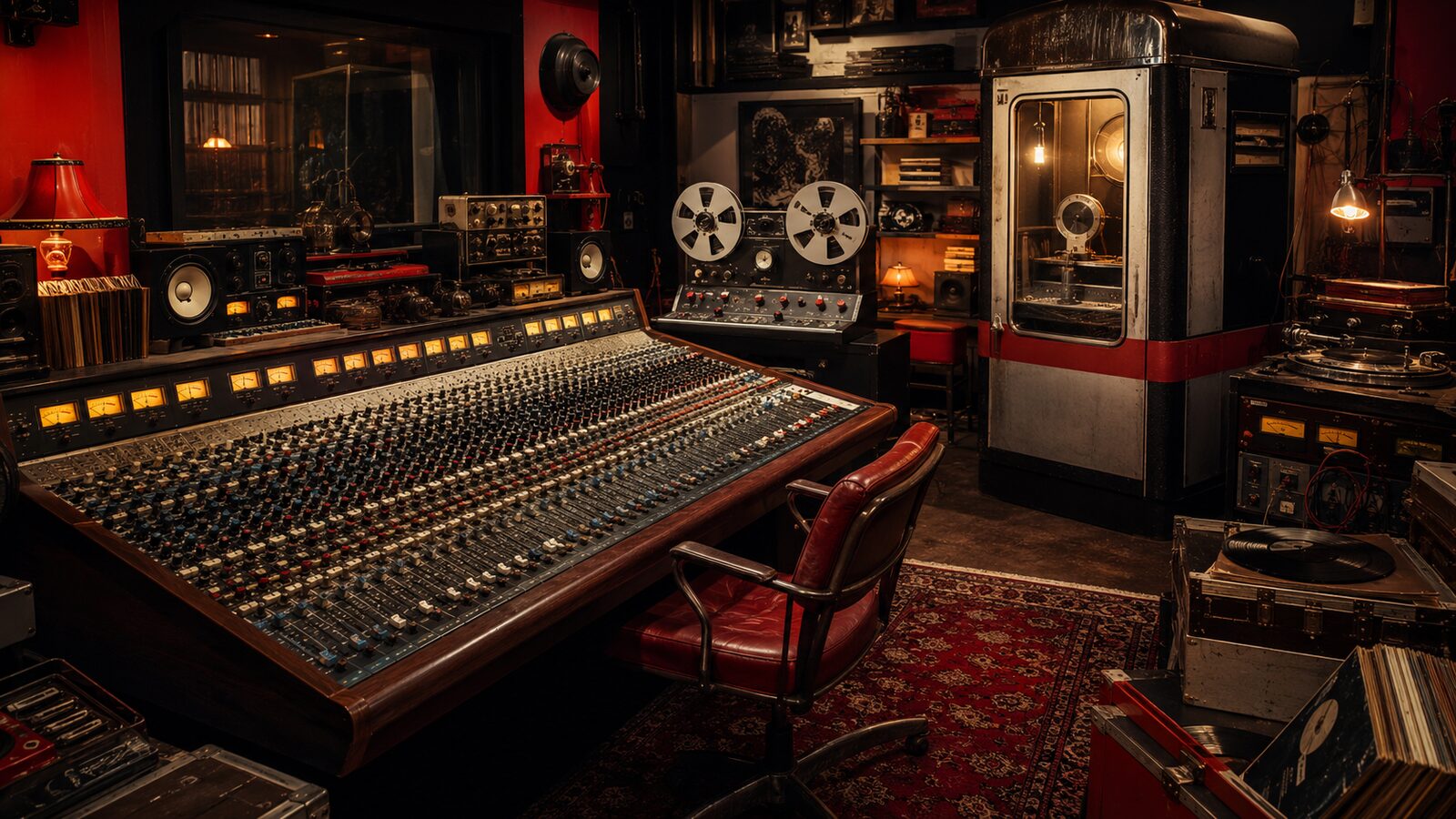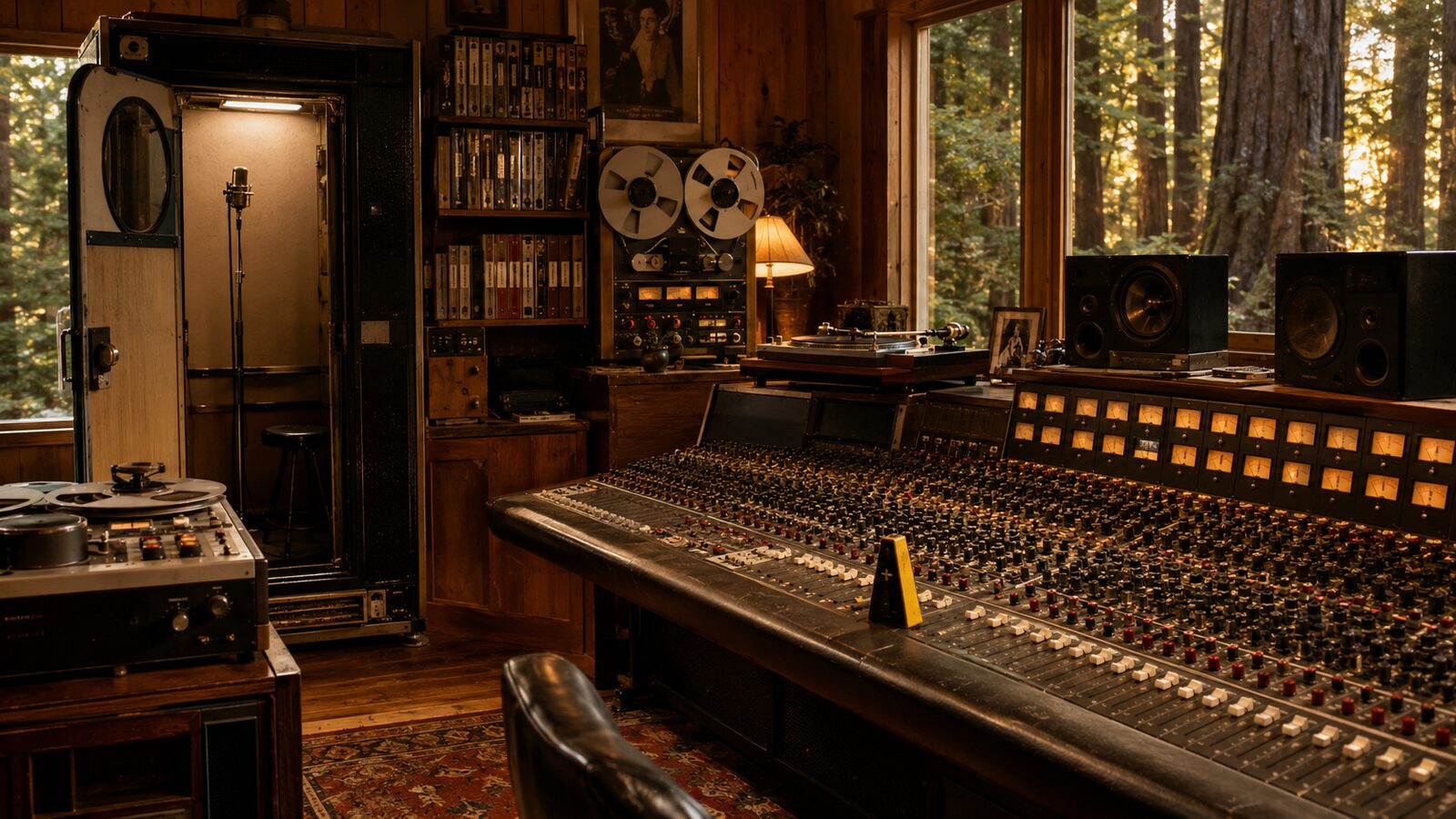
Broken Arrow Ranch, Northern California. A wood-paneled studio with views of redwood trees through wide windows. A vintage Neve recording console sits in the center of the room, its meters glowing amber. An Ampex tape machine, a turntable, and shelves of master tapes line the walls. On the console, almost as an afterthought, sits a Pono Player — small, triangular, distinctive — the high-resolution portable music player that Neil Young willed into existence because he believed MP3s were destroying music.
Neil Young has been the loudest critic of compressed digital audio for decades. He built his ranch studio around vintage analog equipment — Neve console, Ampex tape machines, tube everything — because he believes the full resolution of a musical performance can only be captured and reproduced through analog recording or high-resolution digital formats. The studio is the opposite of modern: organic, warm, wood everywhere, built for sound rather than aesthetics.
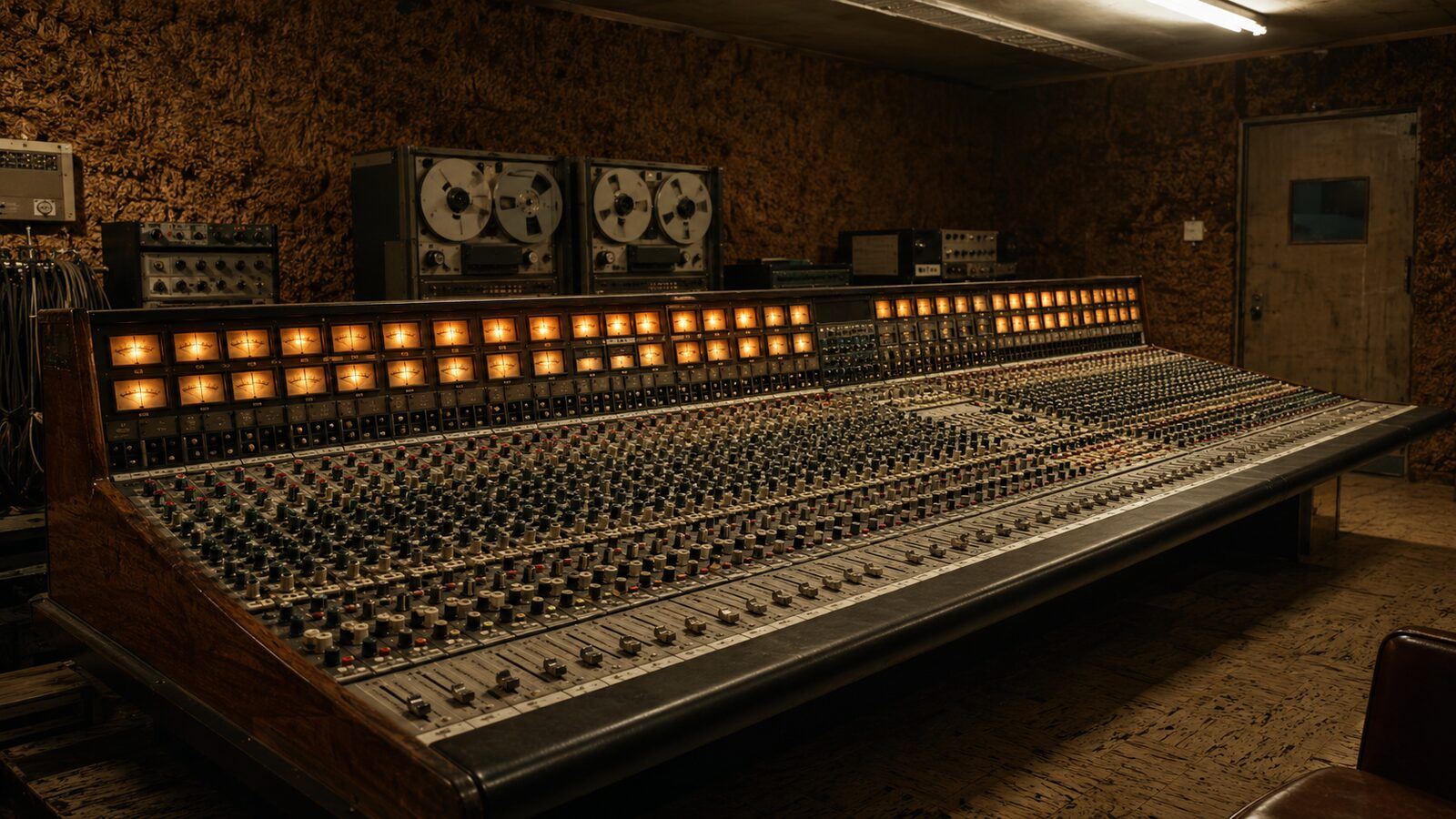
The Neve console at Broken Arrow Ranch is Young's primary recording instrument — the desk through which every modern Neil Young album has been tracked and mixed. Like Jack White, Young chose a vintage Neve specifically for its sonic character: warmth, presence, and the harmonic richness that hand-wired analog circuits add to every signal that passes through them.
The Pono Player was Young's attempt to bring high-resolution audio to consumers. Launched via a Kickstarter campaign that raised $6.2 million — making it one of the most successful crowdfunding campaigns in history at the time — the triangular portable player supported FLAC and other lossless formats at resolutions up to 192kHz/24-bit. The Pono ecosystem ultimately couldn't compete with streaming convenience, but the player itself became a collector's item and a symbol of the high-resolution audio movement.
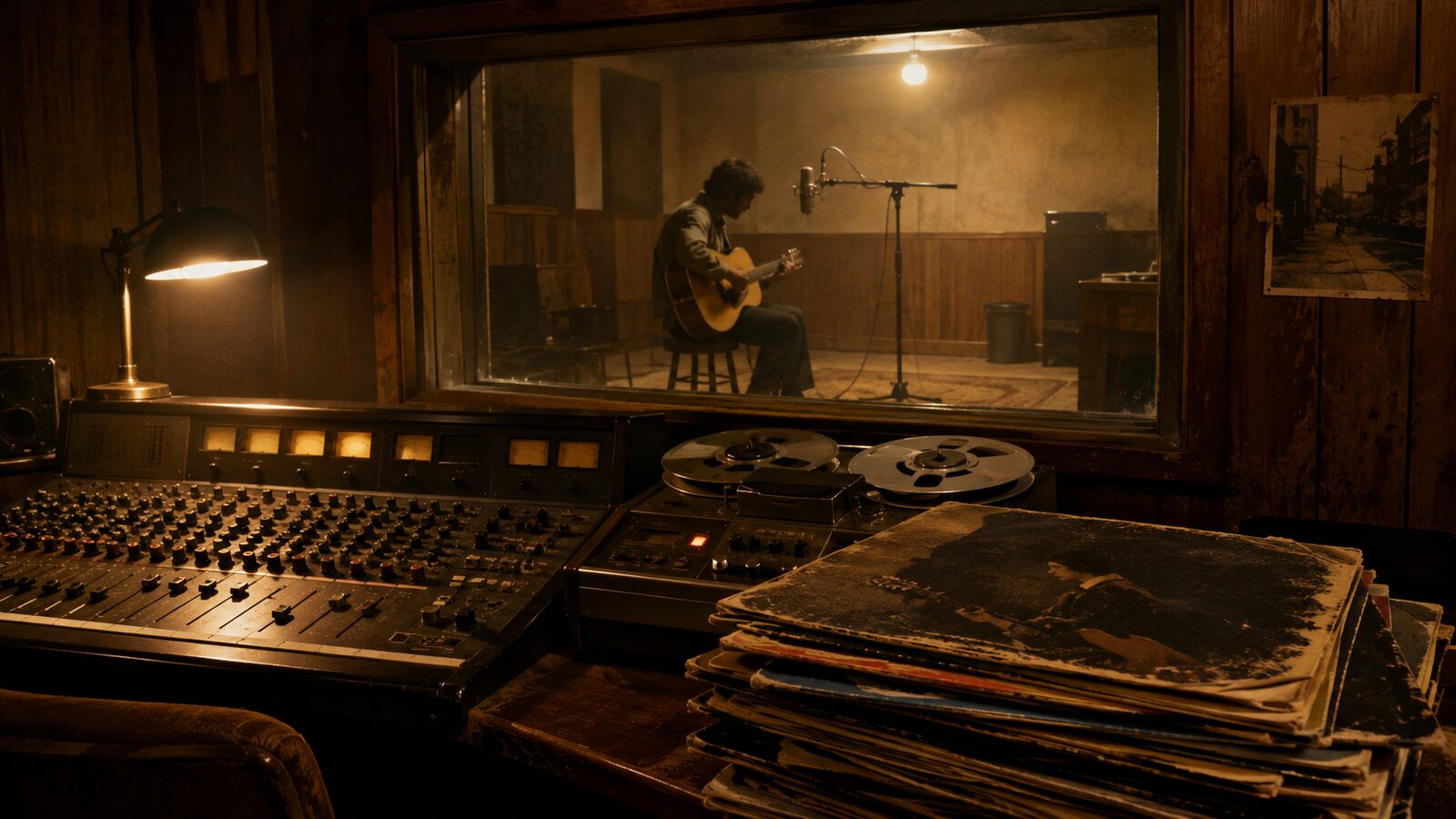
The Ampex tape machines and turntable complete the analog chain. Young records to tape, masters to tape, and listens on vinyl. Every step in his signal chain prioritizes resolution and fidelity over convenience.
Listening to a CD compared to vinyl is like looking at the world through a screen door.— Neil Young, Waging Heavy Peace
Neil Young's significance to audio culture extends beyond his music. He has written extensively about sound quality in his memoir Waging Heavy Peace, testified before Congress about the importance of audio fidelity, and invested millions of his own money in the Pono project. Whether you agree with his position or not, his advocacy has kept the conversation about audio quality alive in an era of compressed streaming.
The Pono Player, discontinued and now a collector's item, sells for $100 to $400 on eBay. Neve preamp modules go for $3,000 to $8,000. Vintage Ampex tape machines range from $500 to $3,000. The turntable setup at Broken Arrow is undocumented but likely high-end — Young is known to have strong opinions about every link in the playback chain.
Young's ranch studio represents the philosophical endpoint of audiophilia: a purpose-built listening and recording environment designed by someone who has spent fifty years thinking about how music should sound. It's not a museum — it's a working studio where albums are still being made on equipment that most engineers would consider obsolete. For Young, obsolete is exactly the point.
Affiliate disclosure: We may earn a commission from qualifying purchases made through links on this page, at no extra cost to you.
Neil Young's high-resolution portable music player. Triangular design, FLAC support up to 192kHz/24-bit, and $6.2 million in Kickstarter funding. Discontinued, now a collector's item.
Modern high-resolution portable player with streaming capability. The Pono's spiritual successor with better specs and ecosystem support.
View on Amazon →Desktop DAC that converts digital audio to analog with audiophile-grade quality. Neil Young would approve of the price-to-performance ratio.
View on Amazon →High-resolution streaming service offering lossless and hi-res audio. The compromise between Young's vision and streaming convenience.
View on Amazon →As an Amazon Associate we earn from qualifying purchases.