The Royal Tenenbaums
A turntable inside a childhood tent, spinning the Rolling Stones — Wes Anderson uses vinyl as the connective tissue between two people who can't say what they feel.
The scene
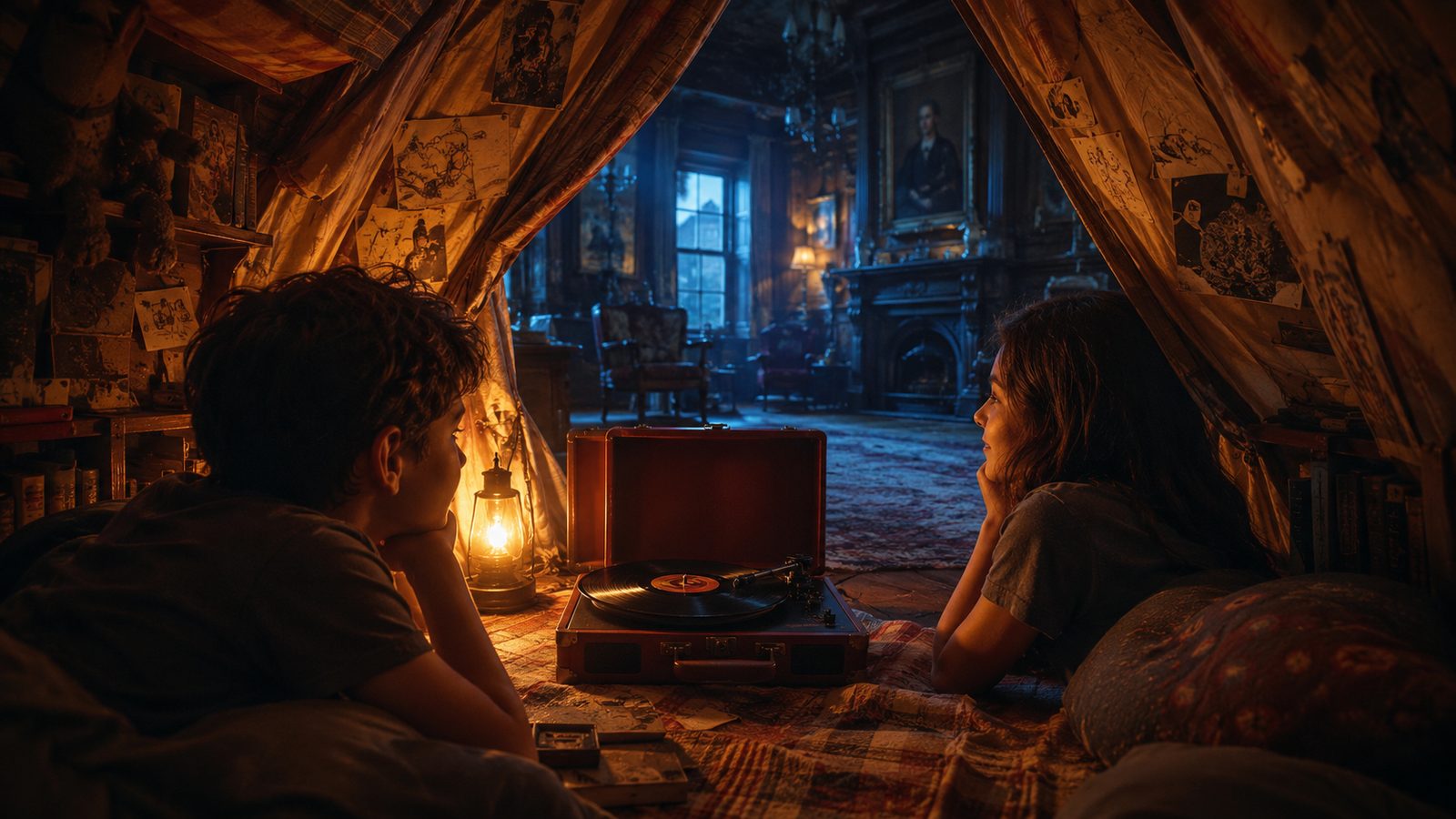
In the Tenenbaum brownstone, Richie has built a tent in his childhood bedroom — a fabric sanctuary inside a room he never quite left. Inside the tent: books, drawings, mementos, and a turntable. When Margot joins him, they lie on the floor and listen to records together. No dialogue needed. The turntable does the talking.
The Rolling Stones' "She Smiled Sweetly" from Between the Buttons plays — a song about unspoken connection, about someone whose presence makes everything okay. Anderson lets the record play without cutting away. The tent, the turntable, and the music create a space where two damaged people can be close without the complications of the world outside the fabric walls.
This is Wes Anderson's signature move: using diegetic music — music the characters can hear — as emotional shorthand. The turntable isn't background scoring. It's a character in the scene, doing the emotional work that the humans can't.
The gear
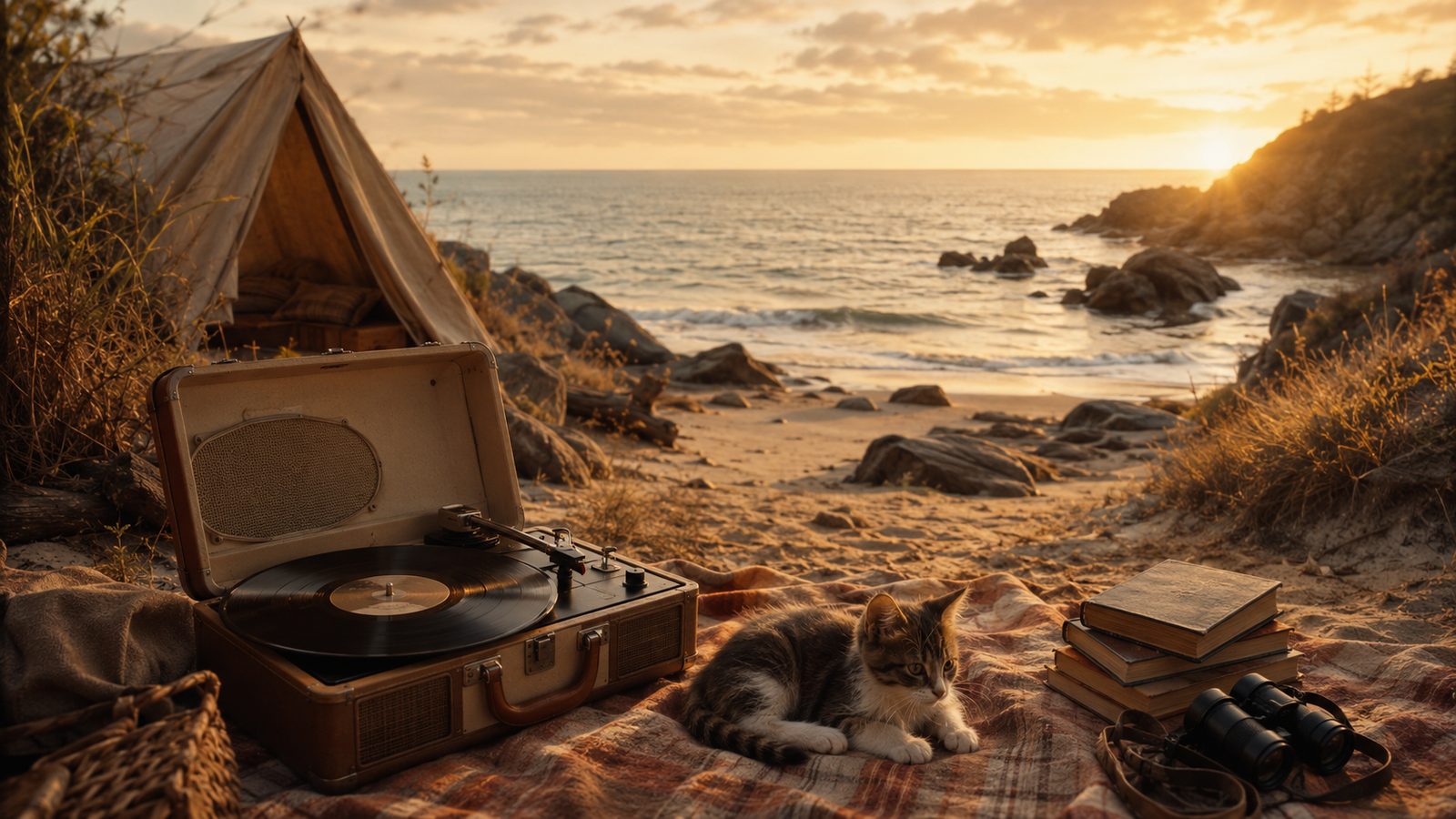
The turntable in the tent is a portable record player — a compact, likely suitcase-style unit consistent with the retro-nostalgic aesthetic Anderson cultivates in every frame. The specific model hasn't been identified, but it's visually consistent with 1960s–1970s portable players from brands like Dansette, Zenith, or GE.
Anderson's production design choices are never accidental. The turntable is small enough to fit inside a tent — this matters. It's not a hi-fi system on a shelf; it's a portable, intimate device that can go wherever Richie builds his retreats. The portability IS the point: music as a space you carry with you.
The record itself — the Rolling Stones' Between the Buttons (1967) — is period-perfect for the characters' emotional register. It's the Stones at their most tender, before the aggression of Let It Bleed and Sticky Fingers.
"I'm going to kill myself tomorrow."
— Richie Tenenbaum (Luke Wilson)
Why it matters
Wes Anderson has used turntables and vinyl records as emotional devices across his filmography — from Moonrise Kingdom's portable record player on a beach to The Life Aquatic's David Bowie covers. But The Royal Tenenbaums is where the technique is most potent. The tent-and-turntable scene is routinely cited as one of Anderson's finest moments.
The scene works because of the physical ritual: someone chose this record, placed it on the turntable, dropped the needle. In the age of shuffle and autoplay, this deliberate act of musical selection carries emotional weight. Richie chose "She Smiled Sweetly" for a reason. The turntable makes that choice visible.
Vintage portable turntables from the 1960s–1970s sell on eBay for $100–$500. They're among the most affordable and charming entry points into vintage audio — perfect for building your own tent-and-turntable sanctuary.
Crosley Cruiser Plus
~$70Modern suitcase turntable with Bluetooth. The spiritual successor to Richie's tent turntable — portable, self-contained, ready for wherever you build your sanctuary.
View on AmazonAudio-Technica AT-LP60X
~$150Fully automatic turntable. An upgrade from suitcase players that keeps the simplicity — drop the needle, listen, feel things.
View on AmazonRolling Stones "Between the Buttons" Vinyl
~$20–$40The actual album from the tent scene. "She Smiled Sweetly" is on Side B. Essential listening for anyone building a Tenenbaum-style retreat.
View on Amazon