Daft Punk — Discovery
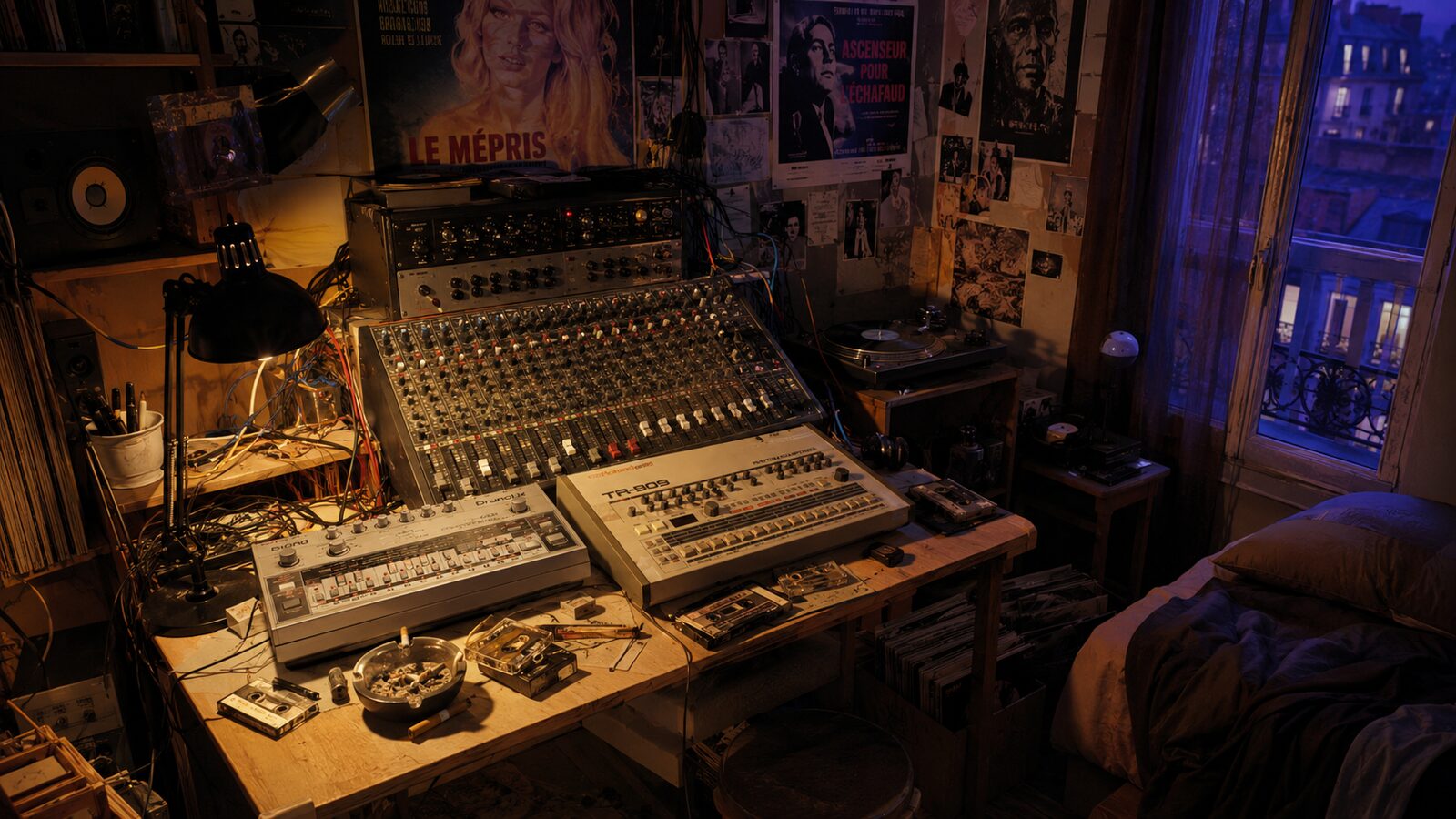
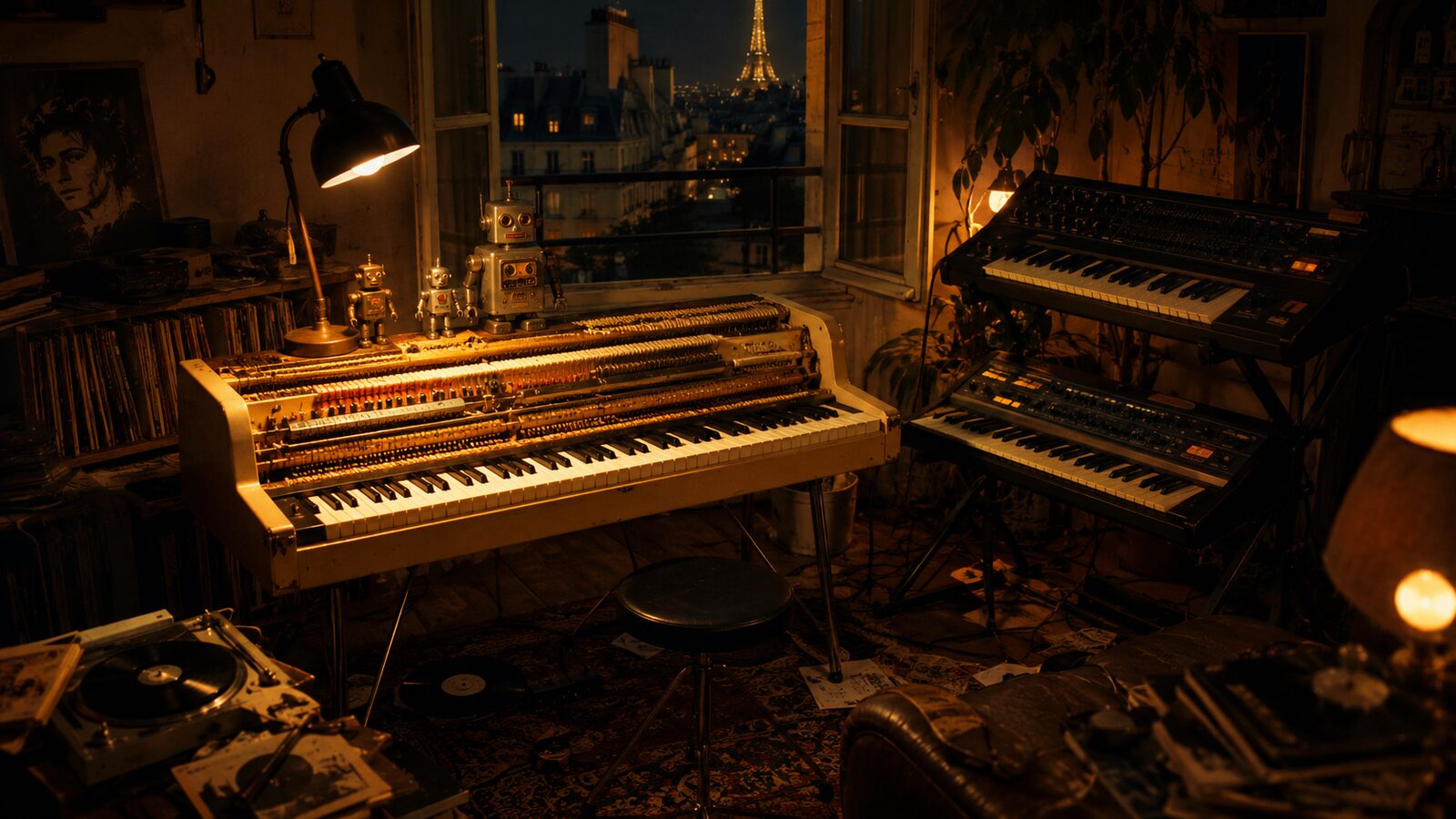
Paris, 2000. In a small studio apartment, Guy-Manuel de Homem-Christo and Thomas Bangalter are building the follow-up to Homework — the album that will transform them from French house producers into global pop icons. The centerpiece of the session isn't a synthesizer or a sampler. It's a Wurlitzer 200A electric piano that once belonged to Supertramp.
Discovery is the album where Daft Punk stopped being a dance act and became something larger. The warm, melancholic keyboards of 'Something About Us' and 'Digital Love' are pure Wurlitzer — a tone that no synthesizer can replicate, produced by tiny metal reeds struck by felt hammers inside a suitcase-sized instrument.
Guy-Manuel confirmed the provenance in Sound on Sound: 'We had the original Wurlitzer piano they used, so we thought it would be more fun to have the original instrument.' The piano that Roger Hodgson played on 'The Logical Song' was now making robots cry.
The Wurlitzer 200A is the star of Discovery's emotional core. A portable electric piano produced by the Wurlitzer Company from the early 1970s, the 200A generates its distinctive sound through electrostatic reed pickups — metal reeds that vibrate near a pickup plate, creating a warm, slightly overdriven tone that sits somewhere between a Rhodes and a harpsichord.
Alongside the Wurlitzer, Discovery's production used a Roland Juno-106 — the definitive 1980s polysynth — and an Ensoniq DP/4 multi-effects processor. The Juno-106's chorus-drenched pads define the album's shimmering synth textures, while the DP/4 handled the spatial effects that give tracks like 'Veridis Quo' their ethereal depth.
The album's genius is in its simplicity. Where Homework was built on the TB-303 and TR-909 — machines designed for repetition — Discovery used instruments designed for melody. The Wurlitzer brought humanity to the machine music. The robots learned to sing.
We had the original Wurlitzer piano they used, so we thought it would be more fun to have the original instrument.
— Guy-Manuel de Homem-Christo, Sound on Sound
Discovery has sold over 4 million copies worldwide and is routinely ranked among the greatest albums of the 2000s. Its influence spans pop, indie, and electronic music — Kanye West sampled it extensively for Graduation, and its animated film companion Interstella 5555 introduced anime aesthetics to mainstream Western pop.
The Wurlitzer 200A market has been strong for decades, with working units selling for $1,800–$3,500 on eBay. The Discovery connection adds cultural cachet to an instrument already prized by session musicians, singer-songwriters, and studio owners.
The Roland Juno-106 is one of the most sought-after vintage synthesizers, selling for $1,500–$3,000 depending on condition and voice chip status. Its appearance on Discovery — alongside its use by everyone from Depeche Mode to Boards of Canada — ensures sustained collector demand.
Wurlitzer 200A Electric Piano
The portable electric piano with the unmistakable reed tone. This specific unit formerly belonged to Supertramp — provenance confirmed by Daft Punk.
Roland Juno-106 Synthesizer
The definitive 1980s polysynth — chorus-drenched pads that defined a decade of pop and electronic music.
Arturia V Collection
Software recreations of the Wurlitzer, Juno, and dozens more vintage keyboards — the entire Discovery toolkit in a plugin.
Roland JU-06A Boutique
Roland's official Juno-106 recreation in a compact desktop module. The chorus is spot-on.
Nord Electro 6D
Stage keyboard with world-class electric piano sounds including Wurlitzer models.