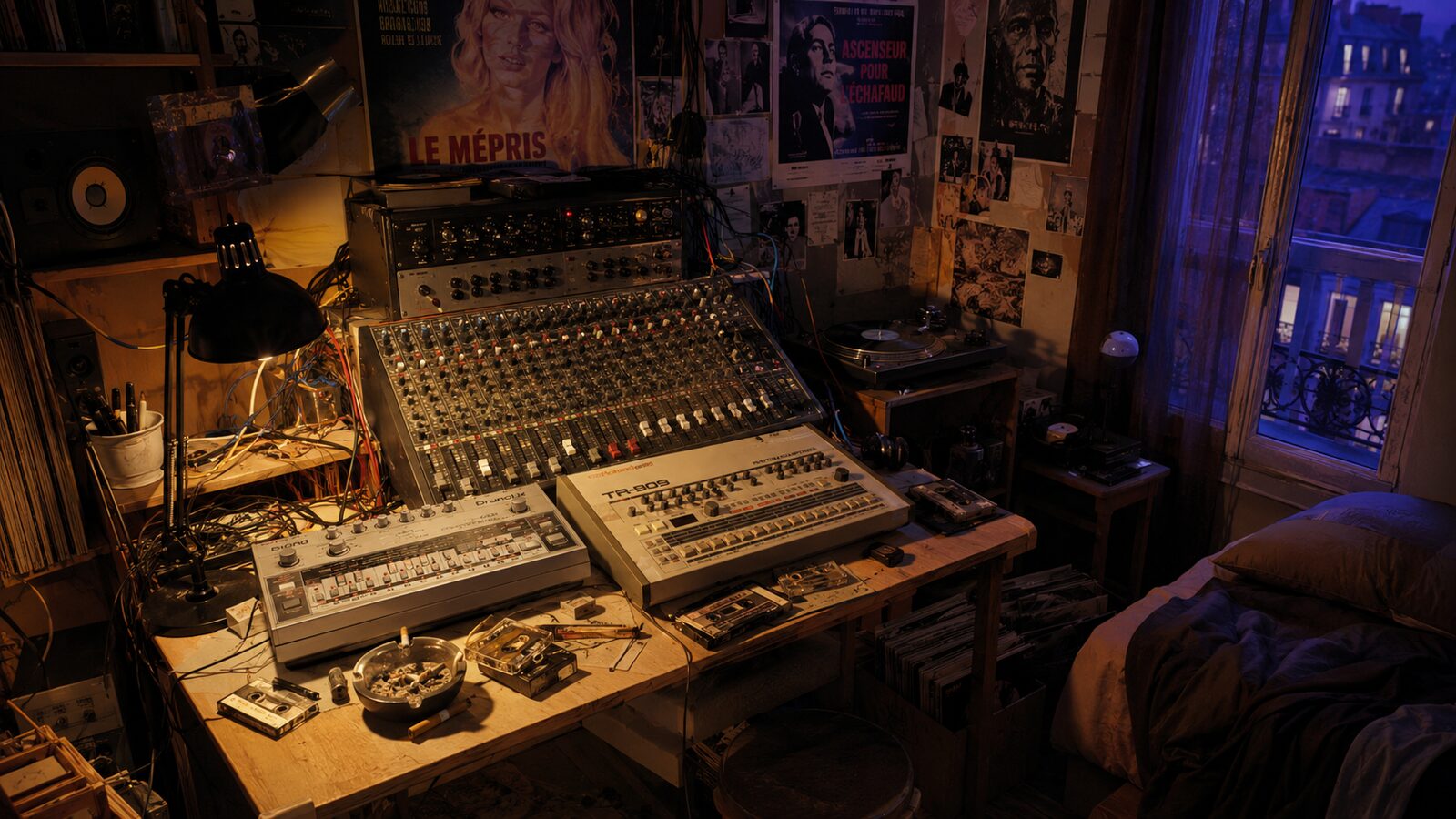
The Neve 88R in Daft Punk Unchained
Two robots walked into the most expensive analog studio in the world and proved that the future of music was in the past.
The Scene
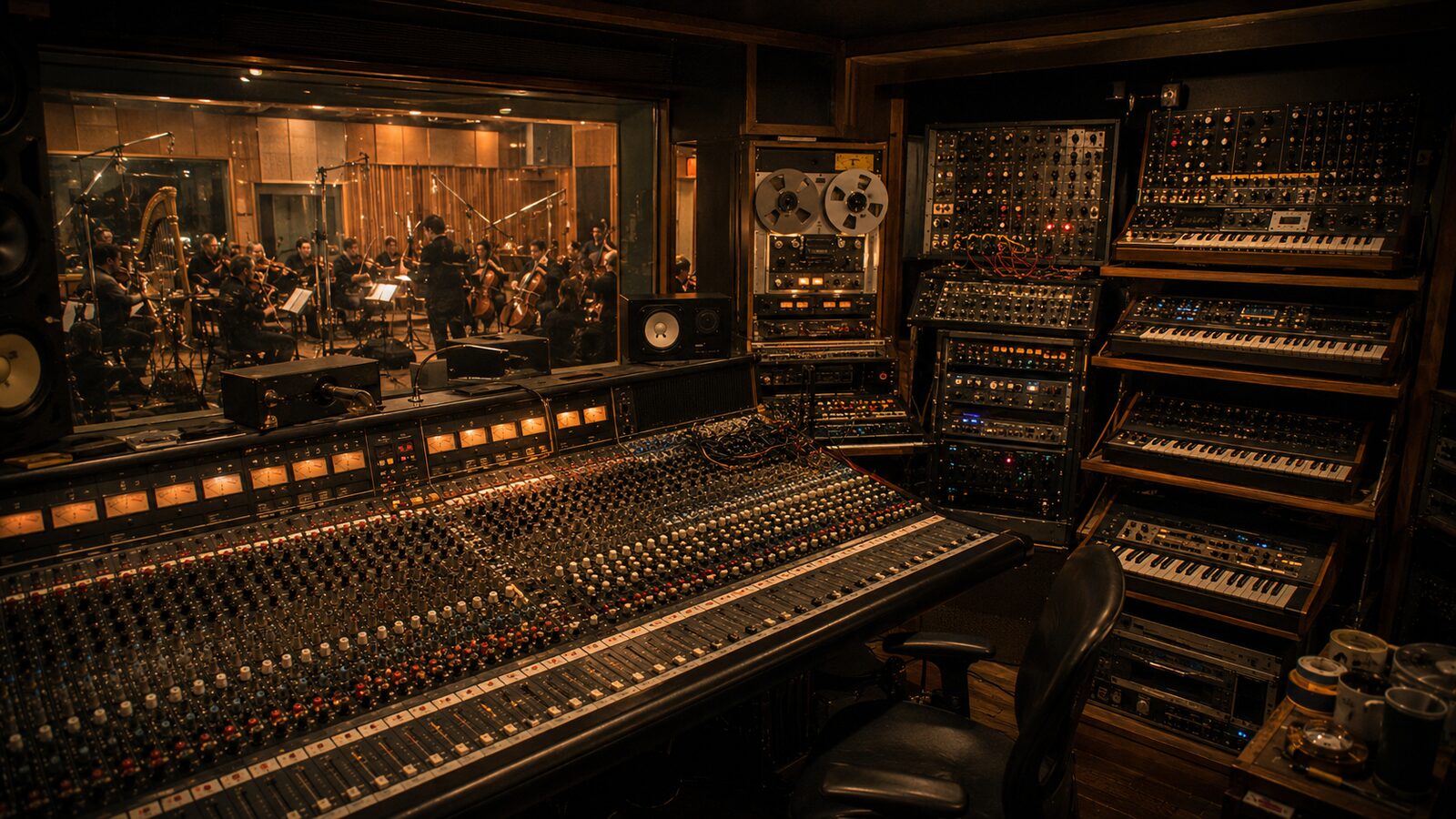
Hervé Martin-Delpierre's 2015 documentary Daft Punk Unchained, combined with the "Collaborators" web series released alongside Random Access Memories in 2013, provides unprecedented access to the studio sessions behind one of the most ambitious albums of the 21st century. The footage takes viewers inside Conway Recording Studios in Hollywood, where Thomas Bangalter and Guy-Manuel de Homem-Christo spent years recording with a full orchestra, live musicians, and a collection of vintage equipment that most studios can only dream about.
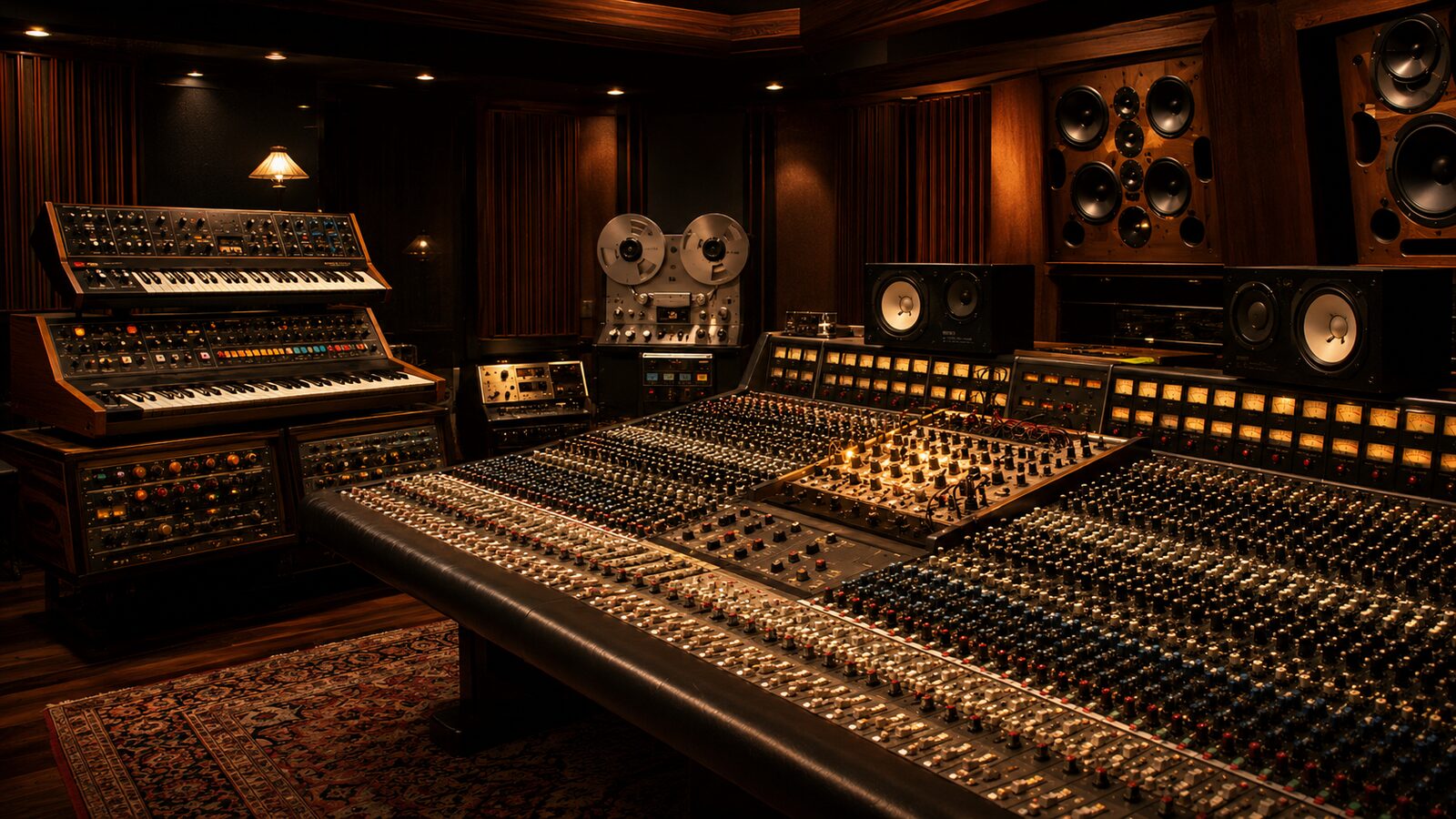
The control room is dominated by a Neve 88R console — Neve's modern flagship, an 80-channel analog desk with digital routing. Behind it, a Studer A827 24-track tape machine spins at 15 IPS with Dolby SR noise reduction, recording every performance to analog tape before any digital transfer. The outboard racks hold a museum's worth of synthesizers: Moog modular systems, a Sequential Prophet-5, a Roland Jupiter-6, a Yamaha CS-80.
The Collaborators series adds another dimension: Giorgio Moroder narrates his gear choices from his own studio, showing the Moog and Synclavier systems that defined his sound. Nile Rodgers discusses his guitar signal chain. Each episode is a masterclass in how specific equipment shapes specific music.
The Gear
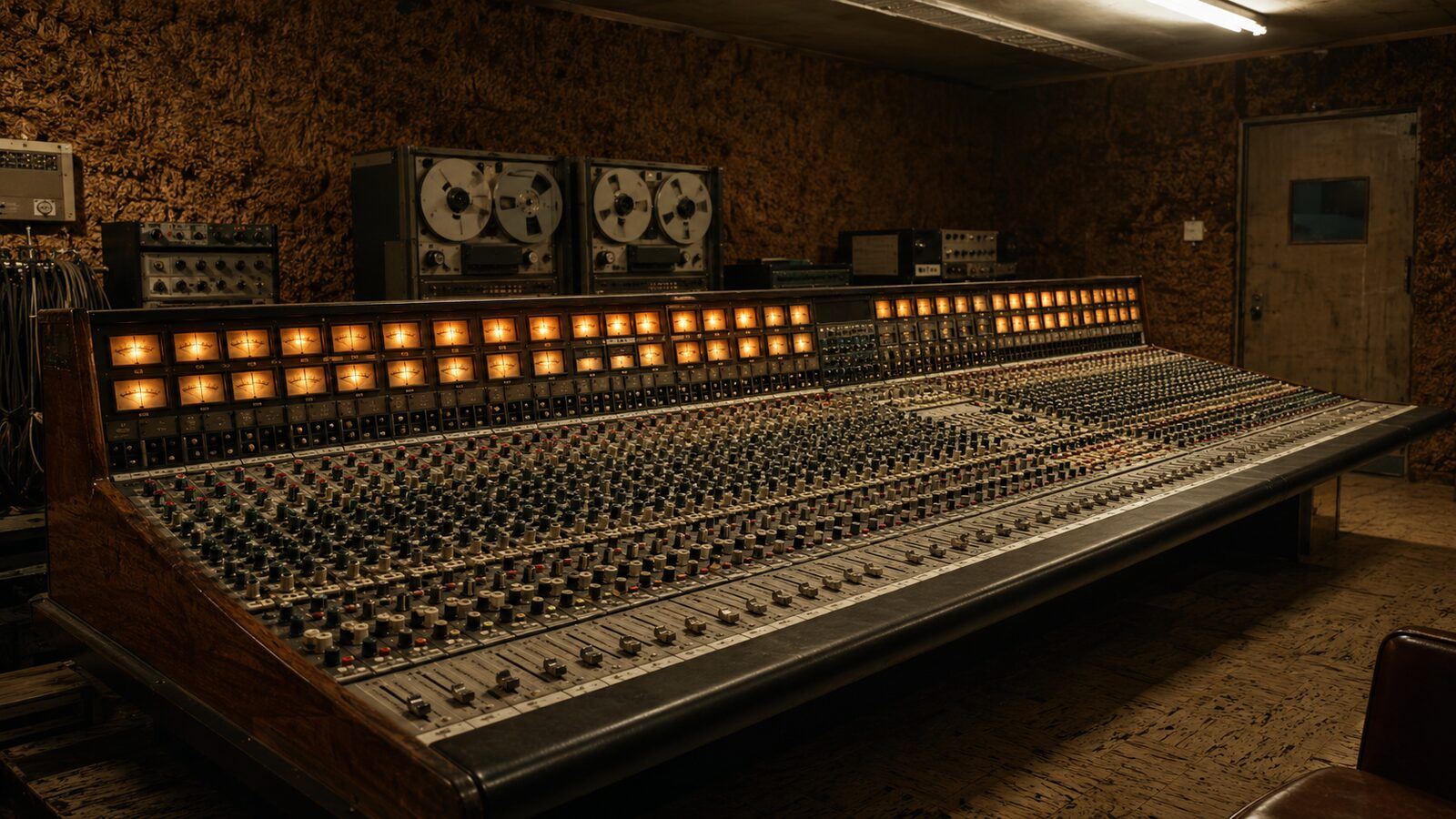
The Neve 88R is the modern descendant of Neve's legendary 8028 and 8068 consoles — the same lineage that made Sound City famous. It combines Neve's class-A analog preamps and EQ with a digital routing core, allowing the signal path to remain fully analog while offering the recall and automation of a digital console. Conway Studio C, where much of Random Access Memories was recorded, centers on an 88R because it represents the best of both worlds.
The Studer A827 is a 24-track analog tape recorder that was the professional standard through the 1990s. Daft Punk chose to record at 15 IPS (inches per second) with Dolby SR noise reduction — a combination that maximizes tape warmth while minimizing hiss. The decision to use tape rather than digital multitrack was central to the album's sonic identity: tape compression, harmonic saturation, and the subtle imperfections of analog recording are what give Random Access Memories its distinctive warmth.
The synthesizer collection visible in the documentary reads like a list of the most important electronic instruments ever made. The Sequential Prophet-5 (1978) was the first fully programmable polyphonic synthesizer. The Yamaha CS-80 (1977) was the keyboard Vangelis used for Blade Runner. The Moog modular system traces directly to the origins of electronic music itself.
We wanted to make an album that sounded like a record. That meant tape, analog, real musicians in a real room. No shortcuts.— Thomas Bangalter, Daft Punk (paraphrased from interviews)
Why It Matters
Random Access Memories won Album of the Year at the 56th Grammy Awards — a vindication of the all-analog approach in an era of entirely digital production. The documentary and Collaborators series made the case that the album's success wasn't despite the vintage equipment, but because of it. The Neve console, the Studer tape machine, and the vintage synthesizers weren't nostalgic props — they were the instruments that created the sound.
On the collector market, the gear shown in the documentary spans an enormous price range. The Studer A827 commands $20,000+ when it appears. The Sequential Prophet-5 sells for $4,000–$7,000. The Yamaha CS-80 is one of the rarest and most expensive synths in the world at $30,000–$50,000. But the affordable end is accessible: Behringer clones of classic synths, modern tape emulation plugins, and Neve-style preamps from Warm Audio bring the aesthetic within reach.
The documentary also reinforces the site's growing Daft Punk cluster — connecting to the existing Homework and RAM pages for a three-entry deep dive into one of electronic music's most gear-obsessive acts.
The Gear Cards
Affiliate disclosure: We may earn a commission from qualifying purchases made through links on this page, at no extra cost to you.
Neve 88R Console
Neve's modern flagship analog console with digital routing. The desk at Conway Studios where Random Access Memories was recorded. Class-A preamps, legendary EQ.
Studer A827 24-Track
Professional 24-track analog tape recorder. Daft Punk recorded RAM at 15 IPS with Dolby SR on this machine. The last great Studer multitrack.
Sequential Prophet-5
The first fully programmable polyphonic synthesizer. Five voices, analog oscillators, memorable presets. Visible in the Conway racks throughout the documentary.
Modern Alternatives
Behringer Pro-800
Eight-voice analog synth inspired by the Prophet-5/600. Affordable poly synth with the same basic architecture.
View on AmazonWarm Audio WA-73 Preamp
Neve 1073-style microphone preamp. The most accessible way to get the Neve sound in a home studio.
View on AmazonUniversal Audio Volt 476
USB audio interface with built-in 1176-style compression. Record with vintage character straight to your computer.
View on Amazon