The RCA 44-BX in Little Richard: I Am Everything
September 1955, Cosimo Matassa's studio, New Orleans. One microphone, one tape machine, and a man who screamed so loud he invented a genre.
The Scene
Lisa Cortes's 2023 documentary Little Richard: I Am Everything traces the origin story of rock and roll to a specific time and place: Cosimo Matassa's J&M Recording Studio in New Orleans, September 1955. It was there that Richard Wayne Penniman — already a seasoned performer, already possessed of the most extraordinary voice in American music — recorded "Tutti Frutti" for Specialty Records.
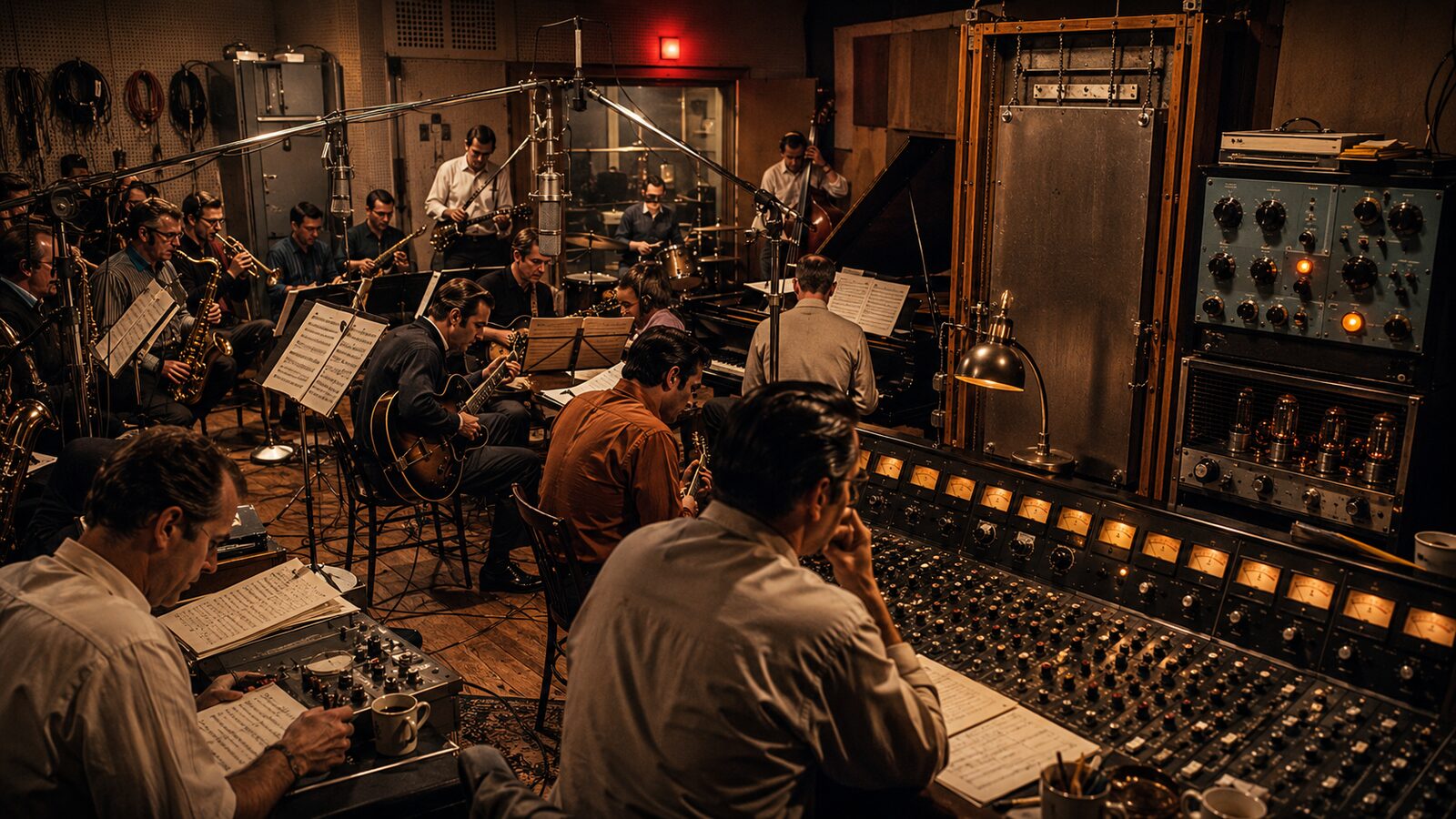
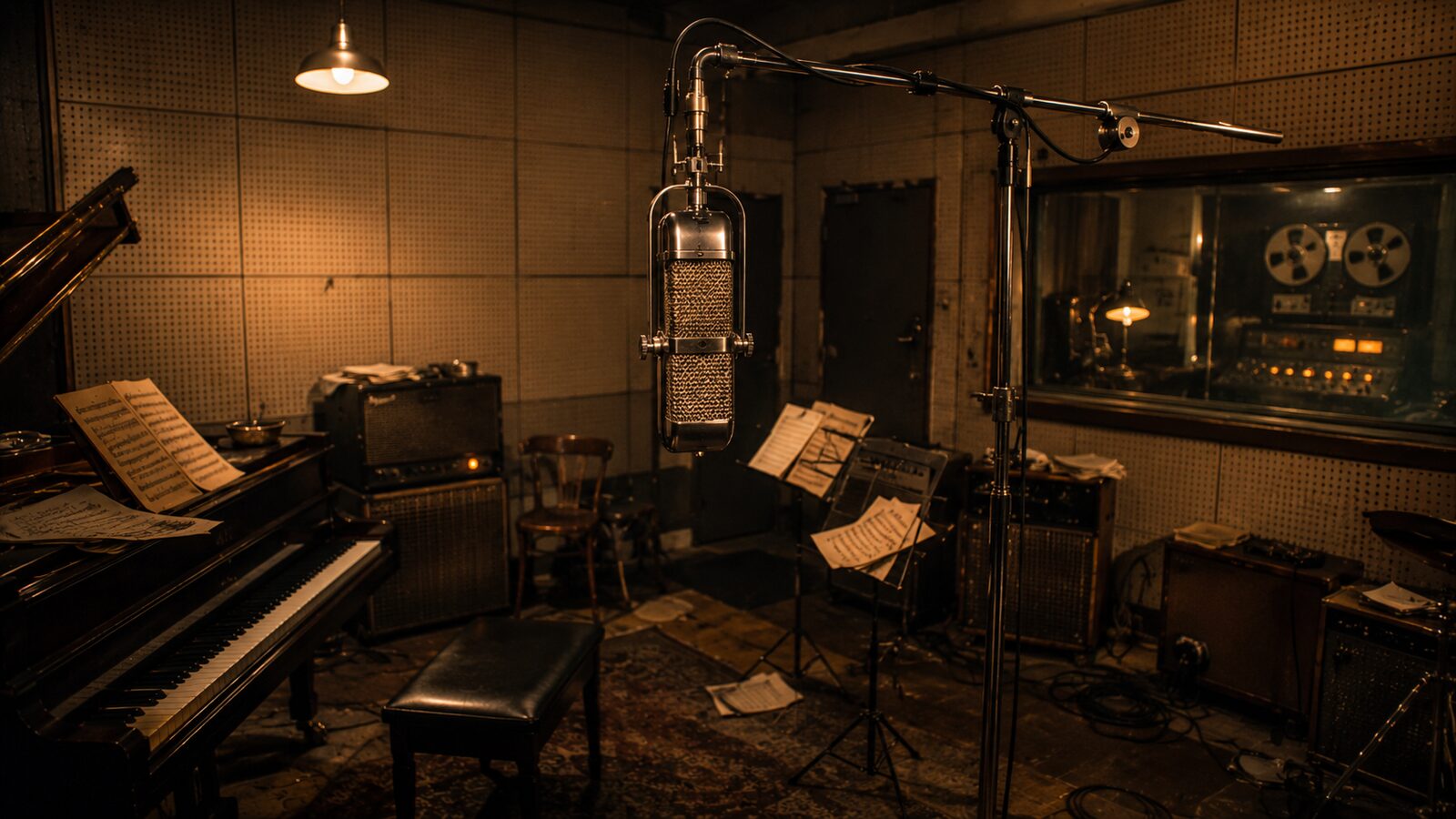
The equipment in Matassa's studio was basic by any standard. An RCA 44-BX ribbon microphone — the same chrome art deco design used by Sinatra and Crosby — captured the vocals. Mono Ampex tape machines recorded the performance to quarter-inch tape. The console was a custom job built with parts from the J.W. Miller catalog. The room was small, the setup was simple, and the sound that came out of it changed the world.
The documentary uses archival footage and studio photography to reconstruct those sessions, and the gear visible in the images tells a story of constraint as creativity. Little Richard didn't have a 24-track studio or a million-dollar console. He had a room, a microphone, and enough energy to blow through both of them.
The Gear
The RCA 44-BX ribbon microphone was the standard studio vocal mic through the 1950s. Its bidirectional (figure-8) pickup pattern captured sound from the front and back while rejecting the sides — useful in small rooms where isolation was difficult. The ribbon element — a thin corrugated strip of aluminum suspended between two magnets — responded to sound pressure with a smoothness and warmth that condenser microphones of the era couldn't match.
Little Richard's vocal performances presented a unique challenge for ribbon microphones. Ribbons are delicate — high sound pressure levels can stretch or break the ribbon element. Richard's voice, at full power, was among the loudest sounds any studio engineer had ever encountered. The RCA 44-BX survived because it was built like a tank — over 8 pounds of chrome, steel, and magnets — but engineers at Matassa's studio learned to back Richard off the mic to prevent distortion.
The Ampex tape machines used in the session were mono recorders running quarter-inch tape, likely Ampex 200A or 350 models. Multi-track recording didn't become standard until the 1960s; in 1955, everything went down on a single track, in real time, with no overdubs. What you hear on "Tutti Frutti" is what happened in the room, captured in one pass.
When I hear that record, I hear that room. I hear that microphone. I hear everything we were in 1955.— Cosimo Matassa, studio owner (paraphrased)
Why It Matters
"Tutti Frutti" is routinely cited as one of the first rock and roll records — not the first chronologically (that argument has no resolution), but the first to contain the full DNA of the genre: the screaming vocal, the pounding piano, the backbeat, the energy that made parents nervous. The equipment that captured it was unremarkable by any measure except the most important one: it was there, and it worked.
The RCA 44-BX is one of the most collected microphones in the world, with prices in the $4,000–$7,000 range on eBay. Its visual design — the chrome grille, the yoke mount, the industrial weight — makes it as much a decorative object as a functional tool. Many studios display vintage RCAs even if they record on modern microphones.
For anyone who wants the ribbon microphone sound without the vintage price, modern ribbons from Royer (the R-121, ~$1,300), AEA (the R84, ~$1,000), and sE Electronics offer the same basic technology with modern reliability. The warm, detailed sound of a ribbon mic on vocals is immediately recognizable — and it started here, in a small room in New Orleans, with an RCA 44 and a voice that couldn't be contained.
The Gear Cards
Affiliate disclosure: We may earn a commission from qualifying purchases made through links on this page, at no extra cost to you.
RCA 44-BX Ribbon Microphone
The microphone that captured Little Richard, Sinatra, and a generation of American music. Art deco chrome design, figure-8 pattern, over 8 pounds of broadcast-grade construction.
Ampex 350 Tape Recorder
Mono tape machine used in studios throughout the 1950s. The workhorse that recorded the first generation of rock and roll. Robust, repairable, still operational after 70 years.
Modern Alternatives
Royer R-121 Ribbon Microphone
Modern ribbon mic that honors the RCA legacy. Studio standard for guitar amps, brass, and vocals. Built to handle high SPLs.
View on AmazonAEA R84 Ribbon Microphone
Big ribbon mic inspired by the RCA 44. Warm, open sound with the visual presence of the classic design.
View on AmazonMXL R144 Ribbon Microphone
Budget ribbon microphone that introduces the format's characteristic warmth and smoothness at an entry-level price.
View on Amazon