The Gear in The Wrecking Crew!
They played on more hits than the Beatles, the Stones, and the Beach Boys combined. The studio equipment they used is still the gold standard.
The Scene
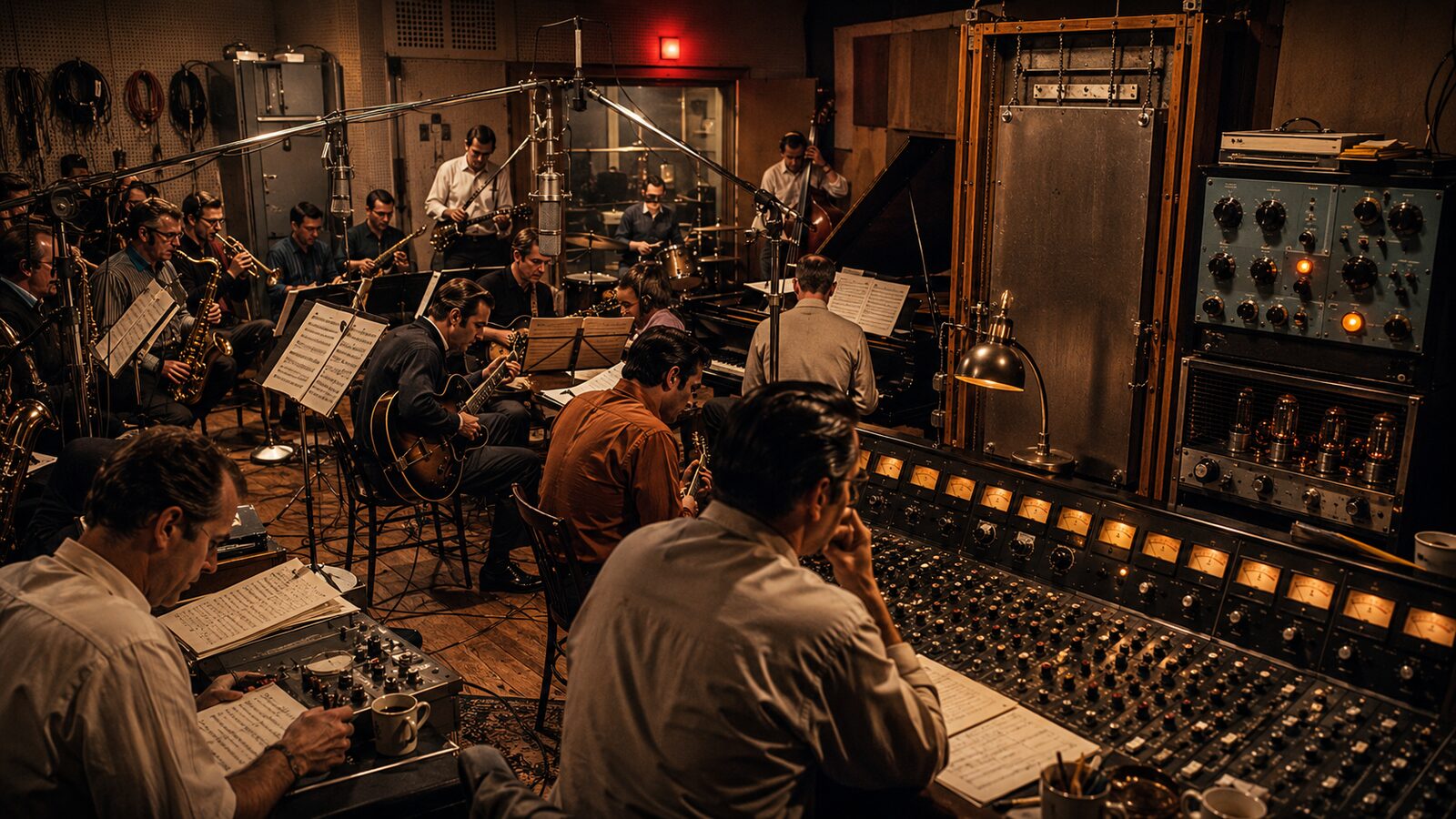
The Wrecking Crew were the uncredited session musicians behind hundreds of 1960s hit records — from the Beach Boys' Pet Sounds to Simon & Garfunkel's "Bridge Over Troubled Water" to Phil Spector's Wall of Sound. Guitarist Tommy Tedesco, bassist Carol Kaye, drummer Hal Blaine, and dozens of others played on more charting singles than any rock band in history, yet most listeners never knew their names.
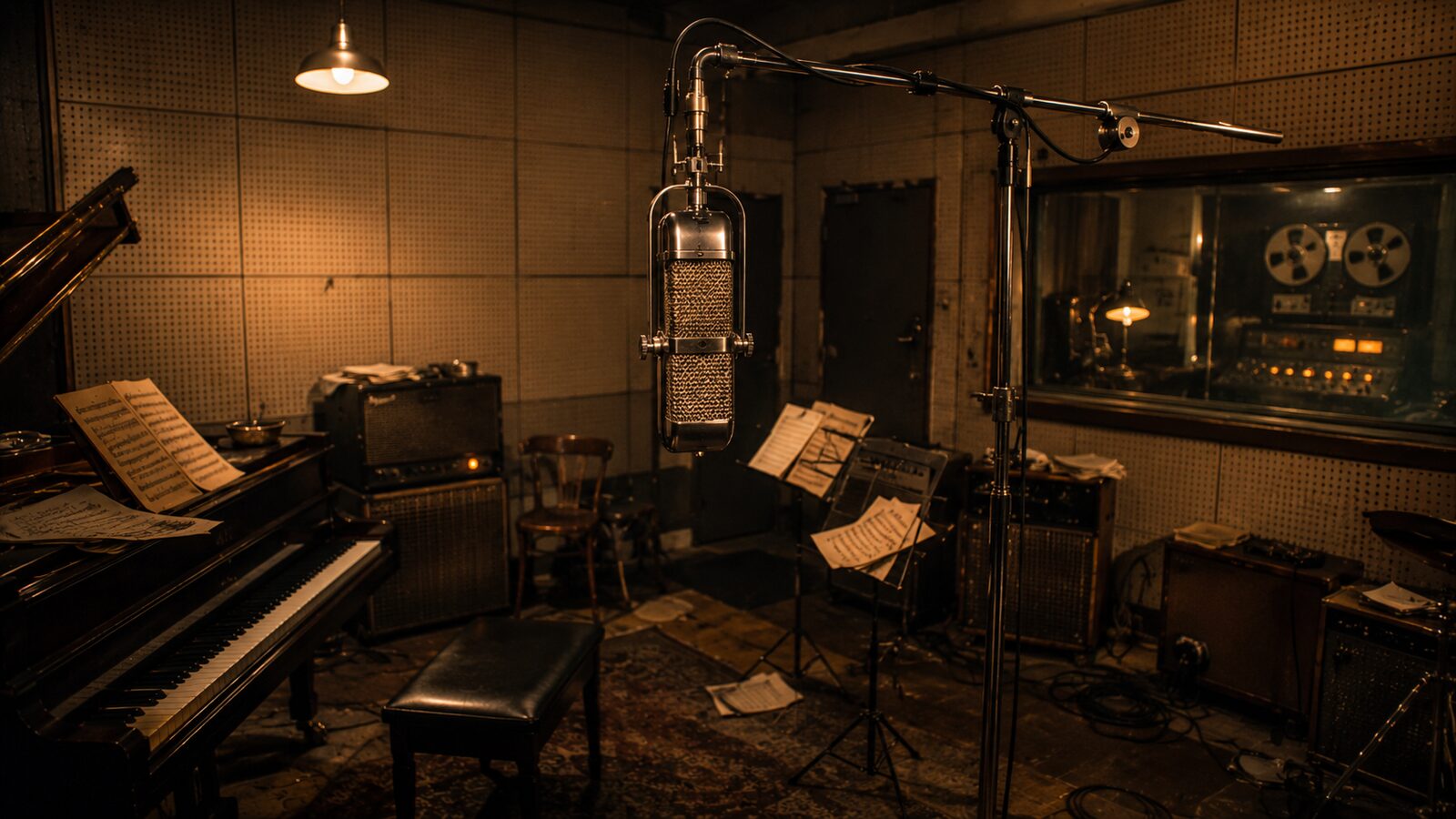
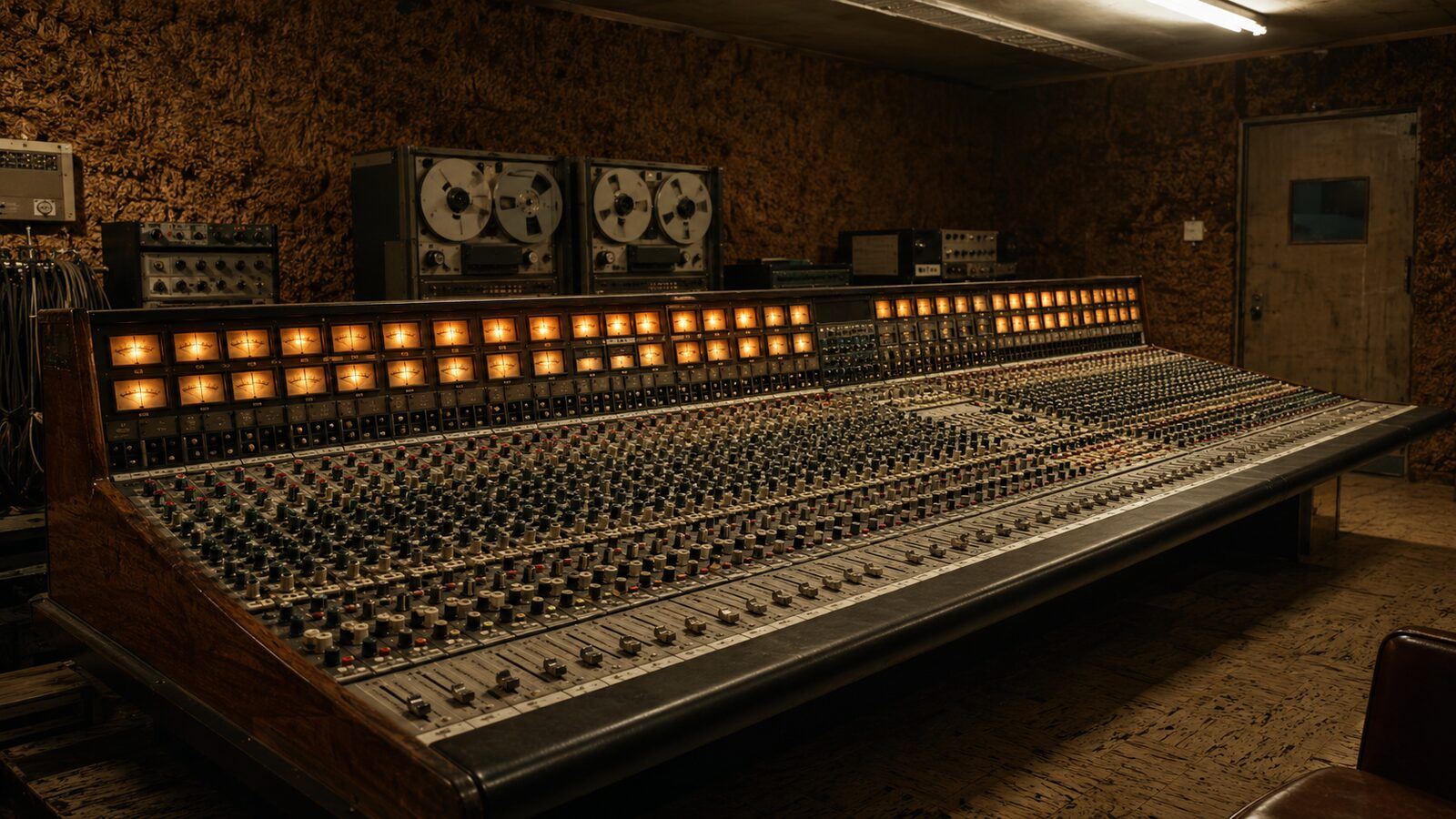
Denny Tedesco's documentary (filmed over 17 years, finally released in 2015) takes viewers inside the studios where this work happened — primarily Gold Star Studios and Capitol Studios in Los Angeles. The footage reveals a world of equipment that has become the most coveted gear in recording: EMT 140 plate reverbs, Pultec EQP-1A equalizers, RCA 44-BX and 77-DX ribbon microphones, and custom consoles designed by Bill Putnam.
The documentary makes clear that the Wrecking Crew's sound wasn't just about the players — it was about the rooms and the equipment. Gold Star's echo chambers, Capitol's custom reverb chambers, and the specific combination of microphones, consoles, and processors used by engineers like Larry Levine and Bones Howe were inseparable from the records they made.
The Gear
The EMT 140 plate reverb, introduced in 1957 by Elektromesstechnik, is a steel plate suspended in a large wooden frame (roughly 8 feet by 4 feet by 1 foot). A driver excites the plate with the audio signal, and contact pickups capture the resulting reverberations. The EMT 140 produced a dense, shimmering reverb that was shorter and brighter than chamber reverb — and it could be installed in any room, unlike a dedicated echo chamber. It became the defining reverb sound of the 1960s.
The Pultec EQP-1A is a passive tube equalizer designed by Ollie Summerland in the 1950s. Its unique design allows simultaneous boost and cut at the same frequency — a "trick" that creates a distinctive musical curve impossible to replicate with conventional EQ. Engineers used it to add weight to bass, presence to vocals, and air to everything. The Pultec sound is so valued that modern digital plugins and hardware clones form an entire sub-industry.
The RCA 44-BX and 77-DX ribbon microphones were the workhorses of 1950s–60s recording studios. The 44-BX, with its art deco chrome grille, is arguably the most beautiful microphone ever manufactured. Its figure-8 polar pattern and warm, detailed frequency response made it the default vocal and instrument mic for everything from Sinatra to rock and roll.
We didn't know we were making history. We were just making records. But the equipment — those microphones, that reverb — that was the sound.— Hal Blaine, drummer (paraphrased from the documentary)
Why It Matters
The Wrecking Crew's story is really two stories: the human one (unsung musicians who shaped popular music) and the technical one (the specific combination of equipment that made their sound possible). Both stories have massive appeal, and the technical one leads directly to the most active corners of the vintage audio market.
The EMT 140 rarely appears on the open market — when one does, it commands $8,000–$15,000+. The Pultec EQP-1A is even more valuable: original units sell for $8,000–$12,000, and even modern clones (like the Warm Audio EQP-WA) sell briskly at $400–$500. The RCA 44-BX ribbon microphone is a trophy item at $4,000–$7,000.
The affordable entry into this world is through modern ribbon microphones (Royer, AEA, sE Electronics) and Pultec-style EQ clones, all of which have strong Amazon and eBay markets. The documentary itself is the perfect content vehicle: it makes people fall in love with the gear by making them fall in love with the musicians who used it.
The Gear Cards
Affiliate disclosure: We may earn a commission from qualifying purchases made through links on this page, at no extra cost to you.
EMT 140 Plate Reverb
Steel plate reverb unit that defined the sound of 1960s recording. Eight feet long, 400 pounds. The reverb on Pet Sounds, the Wall of Sound, and hundreds of other classics.
Pultec EQP-1A Equalizer
Passive tube equalizer with the famous simultaneous boost/cut trick. The most revered EQ in recording history. Originals are increasingly scarce.
RCA 44-BX Ribbon Microphone
Art deco ribbon microphone. Figure-8 polar pattern, warm detailed sound. The most beautiful and iconic microphone ever manufactured.
Modern Alternatives
Warm Audio EQP-WA
Pultec EQP-1A clone with quality transformers and tubes. The most affordable way to get the real Pultec curve in hardware.
View on AmazonsE Electronics X1 R Ribbon Mic
Modern ribbon microphone with the warm, smooth character of vintage RCA ribbons. Rugged enough for daily studio use.
View on AmazonStrymon Flint Reverb/Tremolo
Pedal with a convincing plate reverb algorithm inspired by the EMT 140 sound. Spring and hall modes too.
View on Amazon